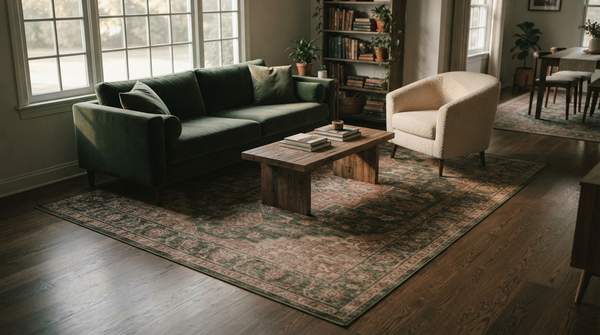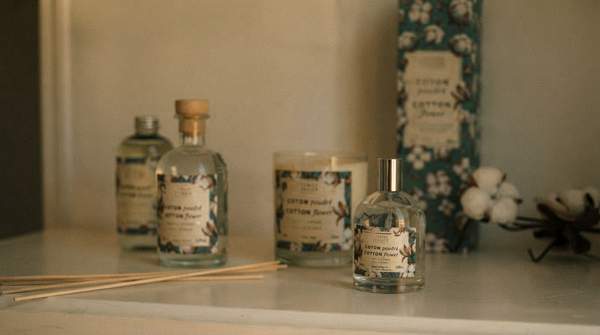
The most sustainable decor purchase is rarely the trendiest one—it is the piece made from a material that was responsibly sourced, built to last, and can be repaired, donated, or recycled when its useful life ends. That is the consistent principle across guides to eco-friendly home decor: longevity and full lifecycle thinking matter more than any single label. This article compares the most commonly recommended sustainable materials—responsibly sourced wood, natural fibers, and recycled or reclaimed materials—so you can match the right material to the right spot in your home.
Key Sustainable Materials for Your Home
Three material families dominate responsible decor recommendations. The first is wood, but with an important qualification: the benefit applies to wood from certified sustainable forests or reclaimed sources. Guides to eco-friendly decor highlight reclaimed wood specifically for furniture, flooring, and accent walls, noting that it reduces waste and carries character from its previous life. Untreated hardwoods are preferred for eco-friendly decor, and Forest Homes, whose decor guide is authored by Maria Daniela Rodriguez, points to certifications such as FSC as a way to verify sustainable forest management.
The second family is natural fibers. Jute, sisal, wool, and organic cotton are derived from plants or animals, making them renewable and often biodegradable. Plant-based fabrics are specifically noted as eco-friendly by Healthier Homes, which recommends natural materials free from chemicals like flame retardants that can off-gas into your home. Vayu Earth's guide to sustainable decor highlights durable jute or sisal runners and handmade baskets for entryways—high-traffic zones where durability matters as much as appearance.
The third family is recycled and reclaimed material. Recycled glass diverts waste from landfills and suits decorative items, tiles, and even countertops, though its durability can vary, so checking reviews for countertop use is worthwhile. Recycled metals can be used across a range of decor pieces, and recycling gives new life to existing materials while reducing demand for virgin resources. Recycled and reclaimed pieces often offer a unique aesthetic that newly manufactured items cannot replicate.
A few other materials appear in eco-friendly comparisons and deserve mention. Bamboo is fast-growing and highly renewable, suited to flooring, furniture, and kitchenware—look for FSC certification to ensure sustainable harvesting. Cork is harvested without killing the tree and works for flooring, wall tiles, and bulletin boards, though it is not ideal for areas with heavy, sharp objects that could puncture it. Organic cotton, soft and biodegradable, suits bedding, curtains, and upholstery, with GOTS certification recommended to verify organic claims.
Sustainable Decor Materials: A Comparative Framework
The table below compares the core sustainable material families across consistent dimensions: their key environmental benefit, where they work best in the home, and what to weigh on durability. Use it to narrow your options before you shop—for example, choosing between a jute runner for a busy hallway and a recycled glass vase for a shelf.
| Material | Key Environmental Benefit | Best For (Use Cases) | Durability Considerations |
|---|---|---|---|
| Responsibly sourced wood (incl. reclaimed) | Reduces waste; certified sustainable forests support forest health; reclaimed wood reuses existing timber | Furniture, flooring, accent walls | Untreated hardwoods are naturally durable; reclaimed wood carries inherent strength and character; check reclaimed pieces are free of lead paint or old treatments |
| Natural fibers (jute, sisal, wool, organic cotton) | Renewable, plant- or animal-derived; often biodegradable; organic cotton is pesticide-free | Rugs and runners, handmade baskets, bedding, curtains, upholstery | Jute and sisal are noted for durability in high-traffic areas; proper cleaning extends lifespan |
| Recycled materials (glass, metal) | Diverts waste from landfills and reduces demand for virgin resources | Decorative items, tiles, lighting, countertops (glass), varied metal decor pieces | Recycled glass durability can vary—check reviews for countertop use; unique aesthetic from prior life |
| Bamboo and cork (fast-renewable options) | Bamboo is fast-growing and highly renewable; cork is harvested without killing the tree | Flooring, furniture, kitchenware (bamboo); wall tiles, bulletin boards (cork) | Cork can be punctured by heavy, sharp objects; look for FSC certification on bamboo |
Read across the rows rather than down the columns: the goal is not to crown a single "best" material but to match material properties to the job. A durable jute runner makes sense in a mudroom where a delicate recycled glass vase would be at risk; the same vase thrives on a protected shelf. As one comparison guide puts it, choosing the right material is ultimately a personal decision based on durability, environmental impact, and specific use.
Choosing the Right Material: Three Questions to Ask
Beyond any specific material, you can evaluate any decor item with a durable three-question framework drawn from the shared principles across these guides.
- Where did it come from? Ask about sourcing: Is the wood certified (FSC or similar) or reclaimed? Is cotton GOTS-certified organic? Is the item fair-trade and ethically produced? Vayu Earth's guide emphasizes prioritising fair-trade, ethically produced items.
- Will it last—and can it be repaired? Forest Homes' guide advises choosing durable materials with attention to lifecycle performance and the ability to reuse, recycle, or dispose of the material at the end of its life. Healthier Homes adds a health dimension: untreated hardwoods, mechanical joinery, metals, and natural plant-based fabrics avoid chemical flame retardants that off-gas into your home.
- What happens when you're done with it? Clean and care for items properly to extend their lifespan, repair or repurpose rather than discard damaged products, and donate or recycle items you no longer need—practices Vayu Earth frames as maintaining sustainability over time, not just achieving it at purchase.
This framework travels with you. Certifications change, materials fall in and out of fashion, but the questions about sourcing, construction, and end-of-life apply to any piece you consider bringing home.
Making Informed Choices for a Sustainable Home
The decision this article supports is simple: prioritize home decor items made from responsibly sourced wood, natural fibers, and recycled or reclaimed materials, considering their durability and full lifecycle. No single material wins every time—reclaimed wood suits furniture and flooring, jute and sisal excel in high-traffic runners, and recycled glass shines in decorative pieces where its variable durability is less of a concern.
The measurable indicator of success is this: the reader consistently asks about material sourcing, construction quality, and end-of-life options when evaluating new decor purchases. Make those three questions a standing habit at every store, market, or online listing, and each subsequent purchase will carry the comparison framework in this article forward on its own.
Sources
- The Complete Guide to Sustainable Home Décor — Vayu Earth
- Make your home eco-friendly in style. Learn about sustainable home decor. — Forest Homes
- Eco Friendly, Sustainable Home Decor — Healthier Homes
- Your Guide to Eco Friendly Home Decor for a Stylish, Sustainable Home — Joey'z Shopping