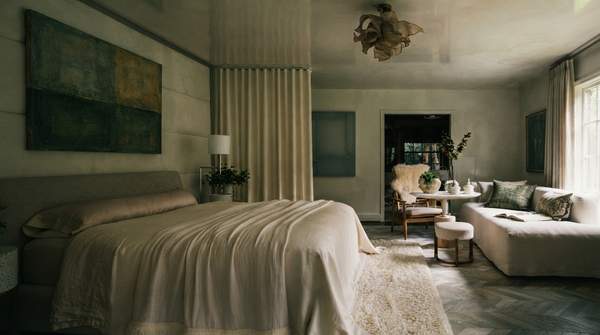
In many esteemed hotels and resorts, a quiet revolution is underway: televisions are being gracefully retired from rooms, their screens replaced by the comforting presence of vintage alarm clocks, well-chosen physical books, and inviting journals, as noted by Meer | English edition. This deliberate shift offers guests a sanctuary from the incessant hum of digital life, a subtle invitation to embrace a different rhythm, fostering a sense of mindful home design even away from home.
Yet, this trend unfolds against a backdrop of digital culture that promises ultimate efficiency and constant connection. A growing segment of society, however, is actively embracing inefficiency and analog experiences, seeking a deeper sense of well-being that screens often fail to deliver.
As artificial intelligence continues to optimize and accelerate daily life, the pursuit of 'resolutely human' and intentionally inefficient activities will likely become an increasingly valuable and sought-after commodity, subtly redefining what we perceive as luxury and true status in 2026.
The Quiet Allure of Disconnection
The decision by many high-end hotels and resorts to remove televisions from rooms, opting instead for vintage alarm clocks, physical books, and journals, marks a profound shift in consumer desire. This isn't merely a design choice; it is a conscious effort to cultivate an environment of deliberate disconnection, a space where guests are encouraged to look inward rather than outward at a screen. Based on Meer's observation, the luxury market is signaling that true premium experiences now involve a deliberate disconnection from digital noise, positioning analog as the new exclusive amenity. This broader cultural yearning for tangible experiences and a slower pace transforms the very notion of luxury in our digitally saturated world, inviting a re-evaluation of what constitutes a truly restorative environment.
Gen Z's Analog Revival: A New Status Symbol
Interestingly, the embrace of analog experiences is not confined to the affluent seeking digital detoxes. Gen Z, a generation born into the digital age, is actively turning towards analog culture, finding joy in film photos, Polaroids, and the rich sound of vinyl records, as reported by Grazia India. This isn't simply a nostalgic whim; it represents a direct counter-response to AI's pervasive influence, positioning 'human' inefficiency as a form of rebellion and authenticity in an increasingly optimized world. The digital native generation's turn towards these slower hobbies suggests a conscious effort to reclaim tangible experiences and individuality, setting new standards for what constitutes value and personal expression in their immediate surroundings and broader digital culture.
The Appeal of Inefficiency in an Optimized World
The prevailing ethos of our digital age champions efficiency, promising frictionless living through constant optimization. Yet, a peculiar counter-current emerges: inefficiency has become preferable, even desirable, as AI accelerates the promise of seamless, effortless existence, according to Grazia India. This preference for inefficiency directly challenges the core promise of modern technology, revealing a deeper human need for friction, for effort, for the tangible process that digital solutions often bypass. It is as if the soul instinctively recoils from a life entirely devoid of struggle, finding solace and meaning in the deliberate, the handcrafted, the slow. This embrace of the 'less efficient' is a bold statement against the relentless drive for optimization, hinting at a profound re-evaluation of human fulfillment and the true meaning of progress.
The Human Benefits: Beyond Digital Distraction
What tangible gains, then, are found in this deliberate retreat from digital saturation? Travelers returning from analog trips offer compelling insights: they report sleeping more deeply, experiencing reduced anxiety, thinking with greater clarity, and feeling a renewed sense of creativity, as detailed by Meer | English edition. The reported improvements in well-being show that the analog movement is not merely aesthetic, but a pursuit of profound mental and emotional restoration that digital immersion often depletes. Such anecdotal evidence suggests that the relentless pursuit of digital efficiency, while convenient, creates a measurable deficit in human well-being, making deliberate inefficiency a critical, if counterintuitive, health strategy. It is in these moments of unhurried engagement, like a quiet dawn breaking over a still lake, that our minds find space to breathe, to wander, to truly connect.
The Rise of 'Resolutely Human' Experiences
The implications of this cultural shift are far-reaching. Activities once considered simple hobbies, such as assembling puzzles, listening to vinyl records, journaling, pottery, knitting, and film photography, are now gaining traction as status symbols precisely because they are 'resolutely human', as highlighted by Grazia India. The embrace of 'resolutely human' activities like pottery and film photography by Gen Z suggests that younger generations are not just seeking nostalgia, but actively redefining status and well-being in opposition to the pervasive, optimizing influence of AI. The elevation of deliberately inefficient activities reveals a fundamental re-evaluation of what constitutes value and luxury in an increasingly automated future, signaling a profound preference for experiences that engage our hands, minds, and hearts in a way digital interactions often cannot, shaping the future of mindful home design.
By 2026, the market for artisanal crafts and immersive analog retreats is projected to see continued growth, as discerning consumers increasingly seek out tangible, 'resolutely human' experiences over frictionless digital convenience. Companies like Slow Living Co. which offers curated analog kits and workshops, anticipate a 30% increase in demand for their mindful home design products. The trend suggests a fundamental rebalancing of our relationship with technology, prioritizing presence and tangible connection in an ever-accelerating world.