Living in constant urgency activates the sympathetic nervous system, elevating cortisol and disconnecting us from our bodies. This turns our homes from havens into sources of subtle stress. The relentless pursuit of instant makeovers, driven by fleeting trends, fuels this internal discord, impacting mental and physical well-being.
The prevailing culture pushes for instant home makeovers and trend-driven purchases. Yet, true domestic well-being and environmental responsibility demand a patient, considered approach. This tension pits immediate gratification against the long-term health of our finances, the planet, and our inner calm.
A societal shift towards 'slow home' principles is likely to emerge. Individuals increasingly prioritize mental health and sustainable living over fleeting aesthetic trends. This mindful engagement with living spaces offers a robust path to lasting well-being at home in 2026 and beyond.
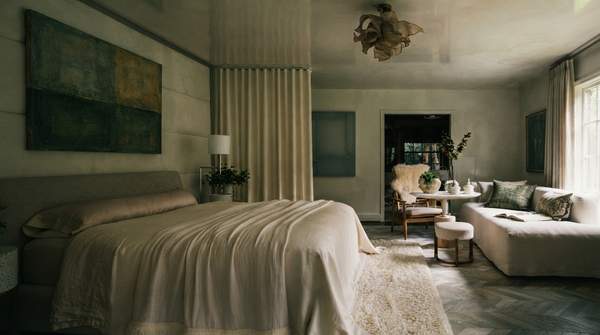
The 'slow home' trend gains traction in 2026, emphasizing calm, considered spaces that support wellbeing and feel timeless, according to Homes and Gardens. This approach counters consumerism, advocating intentionality in design. It suggests homes should evolve organically, reflecting lives lived within their walls, not conforming to transient fads. This philosophy offers a strategic defense against the anxiety and financial drain of fleeting trends. A timeless home is not just an aesthetic choice, but a path to deeper calm and stability, protecting against rapid consumption's constant pressure.
The Enduring Value of a Patient Home
Slow decorating allows a space to evolve, layering pieces over time for a home that feels layered, timeless, and full of character, reports Ideal Home. This deliberate pace transforms a home from a static display into a dynamic, character-rich sanctuary. The benefits are clear: saving money, reducing waste, making considered purchases, and experiencing less anxiety from a cohesive home, according to the same publication. This patient approach cultivates spaces that are aesthetically rich, unique, financially prudent, and emotionally supportive, actively reducing consumer anxiety by removing the pressure for immediate perfection. Each addition serves a purpose, contributing to a personalized aesthetic and a true sense of belonging.
The Hidden Costs of Instant Gratification
Rushing to furnish a space often means buying into trends quickly replaced, an expensive habit detrimental to both home and environment, states Ideal Home. This constant churn generates significant financial and environmental waste, impacting personal well-being. The waste from rapid home consumption contributes directly to internal physiological stress. Companies pushing instant makeovers inadvertently contribute to consumer anxiety, creating less cohesive, more stressful living spaces. This prevailing consumer culture, advocating instant gratification, directly contradicts advice emphasizing patience, quality, and intention. Consumers are caught between societal expectations for rapid home transformation and the documented path to genuine well-being and sustainability, creating internal conflict and external waste.
Beyond Aesthetics: The Physiological Imperative for Calm
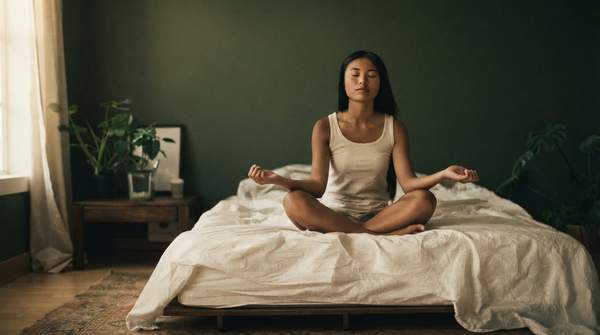
Living in constant urgency activates the sympathetic nervous system, leading to elevated cortisol and a disconnection from the body, according to kimegel. This physiological impact extends to our homes, proving a calm environment is not merely aesthetic but a biological necessity for health. The 'slow home' is a physiological imperative, not just a design trend. The constant urgency of rapid consumption actively elevates cortisol, turning homes into stress sources. This deep connection between decor and physiological stress highlights intentional living. A deliberate approach to home design becomes a conscious act of mitigating chronic stress and fostering peace, allowing body and mind to reconnect within a supportive environment.
A Sustainable Future, One Thoughtful Home at a Time
If individuals continue to prioritize long-term well-being and sustainability, a collective adoption of slow luxury principles in home design could significantly reduce the interior design industry's ecological footprint, with consumers likely seeking out brands championing durability, timelessness, and ethical production by Q4 2026.
What are examples of slow luxury in home design?
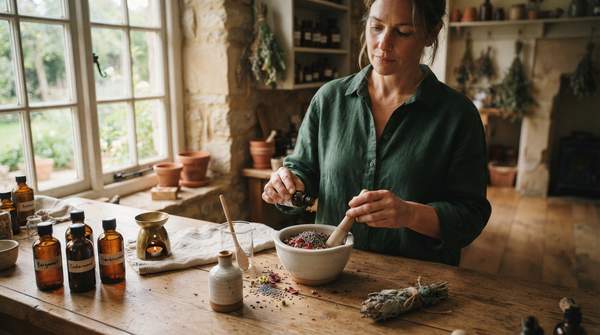
Slow luxury in home design often involves investing in durable, handcrafted items made from natural materials like solid wood, linen, or wool. For instance, a bespoke, locally crafted dining table that will age gracefully over decades exemplifies this philosophy, contrasting with mass-produced, trend-driven furniture that might need frequent replacement. The focus is on quality over quantity, and items that tell a story or have a personal connection.