As our beloved pets enter their golden years, the homes they have always known can start to present new and unexpected challenges. According to the American Veterinary Medical Association, dogs and cats are living longer than ever before, and with that longevity comes a need for extra care and attention. While age itself is not a disease, it often brings changes that require us to adapt our environment. By making thoughtful, practical adjustments to your living space, you can significantly improve your senior pet's safety, comfort, and overall quality of life, helping them navigate their later years with confidence and peace.
Understanding Common Age-Related Changes in Pets
Before you start rearranging furniture, it’s helpful to understand the common physical and cognitive shifts that accompany aging in pets. Mobility often becomes one of the most significant hurdles. Many senior animals experience arthritis and joint stiffness, which can transform simple actions like climbing stairs or jumping onto a favorite chair into difficult, painful tasks, as noted by Highlands-Eldorado Veterinary Hospital. A once-gleaming hardwood floor can suddenly become a treacherous, slippery surface for paws that are less steady than they used to be.
A decline in sensory perception is also common. As pets age, their vision or hearing can diminish, impacting how they navigate their surroundings and interact with you. For an animal with failing eyesight, a rearranged living room can be disorienting and stressful, as they rely heavily on spatial memory to move around. Indian Peaks Veterinary Hospital highlights the importance of maintaining a consistent furniture layout to provide a sense of security.
Beyond physical changes, you might notice shifts in your pet's behavior. The American Veterinary Medical Association explains that these changes can be the first signs of aging, stemming from discomfort, worsening senses, or a condition called "cognitive dysfunction," which is similar to senility in people. Recognizing these underlying challenges is the first step in creating a home environment that is not just familiar, but actively supportive of their changing needs.
Senior Pet Home Modification Checklist
To make the process of adapting your home more manageable, this checklist breaks down key areas of focus. Use it to systematically assess your living space, identify potential hazards, and implement changes that will make a tangible difference in your senior pet's daily comfort and safety. Each modification directly addresses the common challenges of aging, from joint pain to sensory decline.
Flooring and Pathways
Slick surfaces like hardwood, tile, or laminate can be difficult for senior pets to navigate. A lack of traction can lead to slips and falls, causing injury and making them hesitant to move around freely.
- Add Traction: Place non-slip area rugs or carpet runners in high-traffic areas. Indian Peaks Veterinary Hospital suggests that for a budget-friendly option, yoga mats or interlocking foam mats work well to create safe pathways, particularly along your pet’s usual routes between their bed, food bowls, and the door.
- Clear the Way: Ensure pathways are wide and clear of clutter. For a pet with declining vision, a predictable, obstacle-free route is essential for safe navigation.
Stairs and Furniture Access
Jumping on and off furniture or navigating stairs puts significant strain on aging joints. What was once an effortless leap can become a source of pain or a risk for injury.
- Provide a Boost: Install pet ramps or stairs to give your dog or cat safe access to their favorite elevated spots, like the couch or your bed. MedVet and the ASPCA both recommend these aids to help pets get up without the strain of jumping.
- Limit Stair Use: If possible, move your pet’s bed, food, and water to the main floor of your home to minimize their need to use stairs, as suggested by the ASPCA.
Feeding and Hydration Stations
Bending down to eat or drink can be uncomfortable for pets with arthritis in their neck, back, or hips. This discomfort can sometimes lead to a decreased appetite or reluctance to drink enough water.
- Elevate Bowls: Use raised food and water bowls to make mealtimes more comfortable. This simple change reduces how far your pet has to bend, easing strain on their joints.
- Keep it Close: Place food and water in a location that is easily accessible and doesn't require your pet to travel a long distance or navigate obstacles.
Resting and Sleeping Areas
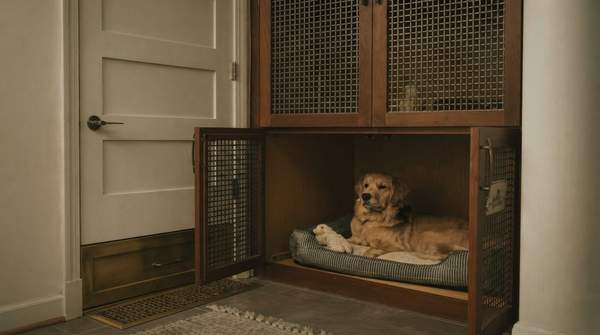
Senior pets require more rest, and a comfortable, supportive bed is crucial for managing the aches and pains that come with age. Just like people, older animals can benefit from a bed that cushions their joints.
- Choose Orthopedic Bedding: Provide a comfortable, well-padded bed. MedVet suggests that memory foam or other temperature-regulating bedding can offer significant comfort for sore muscles and joints.
- Create a Quiet Sanctuary: Place their bed in a warm, quiet area where they can rest without being disturbed, a recommendation from Groton Ledyard Veterinary Hospital.
Litter Box Accessibility (for Cats)
For senior cats, getting in and out of a traditional litter box can become difficult due to stiff joints. Certain age-related illnesses may also cause them to need the litter box more frequently.
- Lower the Barrier: Ensure the litter box has at least one low-entry side for easy access.
- Add More Options: If you live in a multi-level home or notice your cat is visiting the box more often, Gentle Journey Vet Care advises adding a second litter box to a convenient location.