How to Choose a Smart Home Entertainment System in 2026

In 2026, the most crucial 'smart home standard' for truly integrated entertainment isn't a shiny new gadget.

LO
Liam O'Connell

June 5, 2026 · 4 min read

A modern, futuristic living room in 2026 with a seamlessly integrated smart home entertainment system, emphasizing advanced technology and immersive viewing experiences.

In 2024, the most crucial 'smart home standard' for truly integrated entertainment isn't a shiny new gadget. It's your home network. I know, not exactly the stuff of sci-fi dreams, but hear me out. For peak reliability, hardwiring remains a top practice, says ListenUp. Think of it as your home's unsung hero, or villain, if you skimp. Smart home systems promise effortless entertainment, right? They make it sound like magic. But real integration and reliability? That hinges on robust network infrastructure and, yes, hardwiring. My take: prioritize foundational planning over piecemeal device buying, and you'll get superior, reliable smart home entertainment. Skip it, and you're signing up for frustration and underperforming systems. Nobody wants that on movie night.

Who Benefits from a Smarter Entertainment Setup?

Integrating your home theater with broader home automation genuinely enhances the experience. Imagine lights dimming precisely when a movie starts, says HoppsSound. It's not just convenience; it's about crafting an immersive, tailored atmosphere. Less fumbling for remotes, more seamless relaxation. That's the dream, isn't it?

The Crucial Role of Compatibility and User Experience

Picking a smart home system isn't about the flashiest box. It's about compatibility with existing devices, an intuitive interface, and expandability, explains Arendal Sound. You need everything to play nice, no engineering degree required. A truly smart system works harmoniously and is effortless to operate, preventing tech-induced rage. Because if it's not easy, you won't use it. The implication? A system that causes frustration is worse than no system at all.

Elevating Audio-Visuals and Climate Control

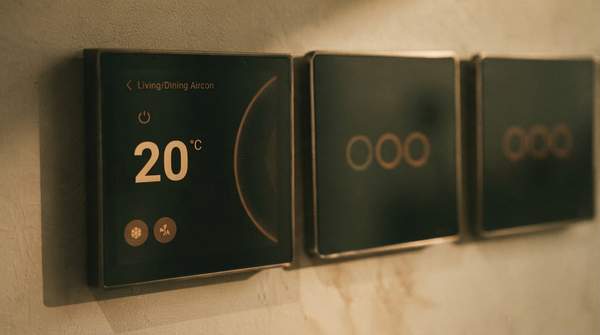
Smart home systems deeply integrate audio and visual components, enabling fine-tuned sound, voice-activated controls for TVs or projectors, and seamless content transfer, says Arendal Sound. No more input hunting! Beyond that, smart thermostats and climate control systems adjust room temperature for peak comfort during viewing, even integrating with fireplaces or fans, also noted by Arendal Sound. This means a standard viewing session becomes a fully optimized sensory experience, from immersive sound to perfect environmental comfort. The real win here is that your home anticipates your needs, not just responds to commands.

Crafting Ambiance with Intelligent Lighting

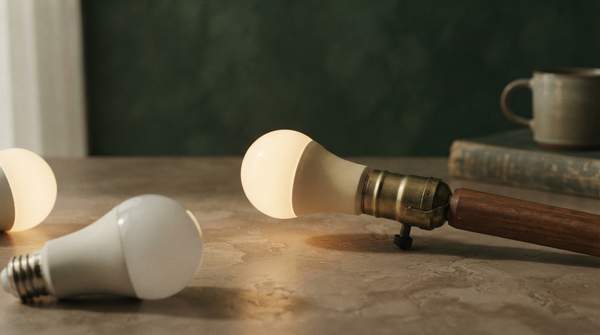
Automating lighting with dimmable smart lights, motion sensors, and color-changing bulbs creates the perfect home theater ambiance, says Arendal Sound. Imagine lights fading as the movie starts, then brightening for popcorn. It's those subtle touches that elevate the experience. Lighting control improves comfort and convenience because you use it constantly, as ListenUp notes. Dynamic lighting isn't a luxury; it's a fundamental tool for immersive, comfortable entertainment, adapting to any mood. The implication is that smart lighting turns a room into a dynamic stage, not just a static space.

Key Considerations for System Selection

Selecting a smart home entertainment system requires a checklist: compatibility (yes, again!), budget, ease of use, scalability, brand reputation, and customer support, advises Meegle. It's not just the upfront cost; it's about long-term satisfaction and avoiding integration pitfalls. Nobody wants to spend Saturday troubleshooting a speaker that won't connect. The implication? A rushed decision today means headaches tomorrow.

Frequently Asked Questions

How do I connect my smart TV to other smart devices?

Connecting your smart TV often involves using a central smart home hub, which acts as a translator for different device languages. Many TVs also support protocols like HDMI-CEC, allowing basic control of connected soundbars or media players directly from your TV remote. Always check your TV's specific app store for integrations with popular smart home platforms.

What are the best smart home hubs for entertainment?

The 'best' hub often depends on your existing tech ecosystem and preferred voice assistant. Popular choices include hubs that integrate seamlessly with Amazon Alexa, Google Home, or Apple HomeKit. Consider a hub that supports various communication protocols like Zigbee or Z-Wave for broader device compatibility, ensuring future expandability.

Can I control my home theater with voice commands?

Absolutely! Voice commands can streamline your entertainment, but for optimal performance, ensure your smart speaker or hub is placed strategically, away from heavy background noise. Experiment with specific commands and routines, like 'Movie Night,' which can dim lights, start the projector, and set the perfect volume with a single phrase.

The Future of Home Entertainment is Integrated

The smart home entertainment industry's relentless focus on individual device features often undermines user satisfaction. It diverts attention from the critical, often hardwired, network infrastructure that truly enables seamless integration. Companies pushing individual devices without robust network solutions or hardwiring guidance, as noted by ListenUp, are selling fragmented experiences, not truly 'smart' homes. This leaves consumers to navigate complex compatibility and reliability issues alone, a point echoed by both Meegle and Arendal Sound. Prioritizing flashy gadgets over a strong, potentially hardwired, network foundation means unknowingly building fragile systems that will consistently fail to deliver the promised 'seamless' experience.

If consumers continue to prioritize foundational network planning, truly integrated smart home entertainment systems will likely become the norm, rather than a frustrating aspiration.