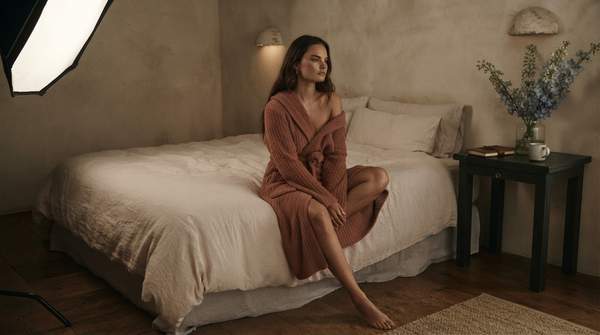
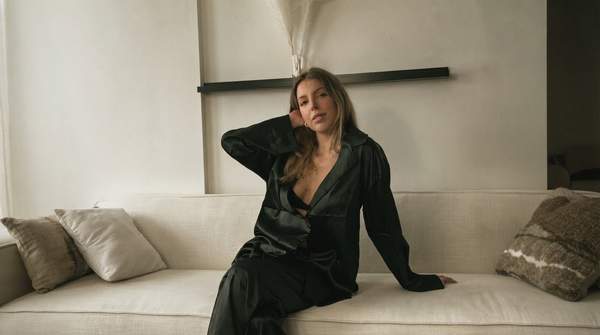
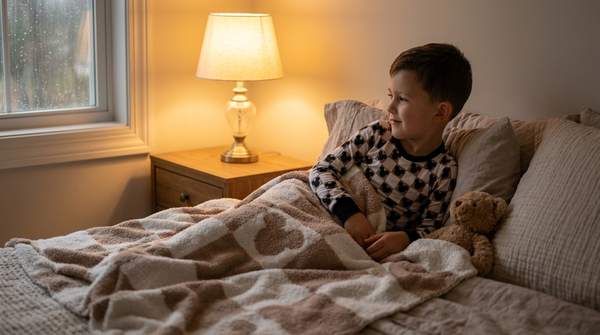
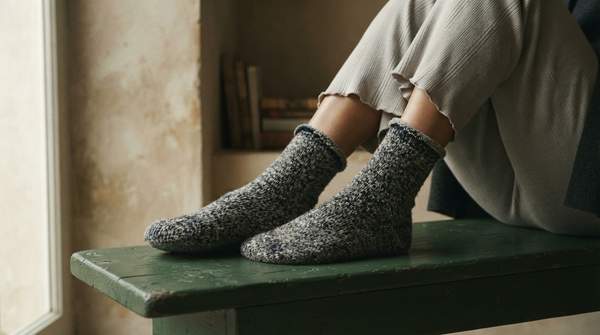
The movement toward comfort-centric clothing is not a fleeting trend but a lasting cultural shift, driven by fundamental changes in how we live, work, and define personal style. While the global pandemic certainly accelerated the adoption of more relaxed attire, the foundations for this change were laid long before, rooted in a growing desire for authenticity, versatility, and well-being. This evolution redefines style not as a pursuit of restrictive trends, but as an expression of personal ease and intentionality.
The Enduring Shift to Comfort: More Than a Pandemic Fad
Long-term lifestyle changes, rather than temporary circumstances, are cementing comfort's place in fashion. According to Carla Buzasi, CEO of the trend forecasting firm WGSN, the shift is here to stay. "All our research, suggests that comfortwear is here to stay, driven by the lifestyle shifts we’ve seen over the past 12 months that will outlast the pandemic, such as working from and exercising at home," Buzasi explains. She anticipates that while the volume of comfort clothing sales may stabilize, it will settle at a level between the highs of 2020 and the pre-pandemic norms of 2019.
This sentiment was echoed even before the pandemic's full impact. In 2019, Forbes had already predicted the persistence of the athleisure trend due to the growth of "comfort-oriented silhouettes." Similarly, in early 2020, Refinery29 stated that the coming fashion year would place coziness and comfort at the forefront. These predictions highlight that the move toward comfortable clothing is a response to deeper consumer needs that were already reshaping the market.
Lifestyle Revolution: The Core Drivers of Comfort-First Fashion
The modern wardrobe must now accommodate a life where the boundaries between personal, professional, and social spheres are increasingly blurred. As one analysis from JustLabs Studio notes, people are constantly moving between home, work, and social engagements, making it impractical to change outfits for every occasion. This has led to a natural preference for clothing that is versatile enough for a multi-faceted day. The demand for apparel that supports long days, emotional balance, and seamless transitions between different roles has made comfort a practical necessity rather than an indulgence.
This shift is also amplified by social media, where the curated perfection of high fashion is giving way to more relatable content. Seeing "real outfits worn by real people" has empowered individuals to prioritize their own comfort without fear of judgment. This cultural validation, combined with an increased focus on mental and physical well-being, has fundamentally reshaped consumer priorities and clothing choices.
Redefining Style: Authenticity, Versatility, and Well-being
The rise of comfort does not signal the end of style; it marks a redefinition of it. Style is moving away from the notion of "suffering for beauty" and toward a more authentic expression of self. According to one fashion commentary, feeling good has become more important than following painful trends. This new paradigm suggests that comfort and style are no longer opposites but are instead becoming partners in creating a polished, wearable look.
This evolution is reflected in designs that feature soft fabrics, relaxed silhouettes, and neutral palettes that look put-together without sacrificing ease. The focus is on creating a wardrobe that is both cohesive and adaptable. As people learn that thoughtful fashion choices can bring balance and happiness to daily life, they are embracing a style that is rooted in personal well-being and authenticity.
Comfort Meets Consciousness: Aligning with Slow Fashion
The principles of comfort-first dressing align seamlessly with the slow fashion movement, which champions intentional and sustainable consumption. Instead of chasing fleeting trends, consumers are increasingly seeking out durable, high-quality pieces that will last beyond a single season. This mindset encourages buying fewer items with more purpose, which naturally reduces waste and increases personal satisfaction with one's wardrobe.
Comfort clothing often embodies these ideals through its focus on thoughtful construction and timeless design. This approach encourages shoppers to slow down and consider how a new garment fits into their existing life and wardrobe, reducing impulse buys driven by trend pressure. As consumers increasingly seek clothing that reflects their personal values, the synergy between comfort, sustainability, and wellness continues to grow stronger.
Your Comfort-First Fashion Decision Framework
To make more intentional clothing choices that align with the principles of modern comfort, consider a potential purchase through the lens of these four key questions. This framework helps evaluate an item not just on its appearance, but on its ability to support your lifestyle, values, and long-term satisfaction.
| Evaluation Criteria | Guiding Question |
|---|---|
| Lifestyle Integration | Does this piece support the different roles I play throughout the day, from work to home to social activities, without requiring an outfit change? |
| Material & Construction | Is the fabric soft and durable, and is the construction thoughtful enough to last through repeated wear and washing? |
| Style Authenticity | Does this item reflect my genuine personal style and make me feel good, or am I considering it because of external trend pressure? |
| Longevity (Slow Fashion) | Am I choosing this with intention? Does it fit with my existing wardrobe, and is it versatile enough to remain relevant for years to come? |
Embracing Comfort as Your Enduring Style
Ultimately, the shift toward comfort is an invitation to adopt a more mindful and authentic approach to personal style. By prioritizing clothing that genuinely supports your daily life, well-being, and personal values, you can build a wardrobe that is both functional and expressive. This move away from disposable trends and toward lasting quality represents a more sustainable and satisfying way of dressing.
The practical outcome of this mindset is a noticeable shift in personal wardrobe choices towards versatile, durable, and personally expressive pieces, reducing impulse buys and increasing satisfaction with clothing. In this new era of fashion, true style is found not in conforming to external rules, but in the confidence that comes from feeling truly comfortable in your own skin—and in your clothes.
Sources
- Homewear on the rise: how the pandemic influenced our fashion choices — VOCAST
- Why Comfort Is Changing the Way People Dress Every Day — JustLabs Studio
- MEDIUM
- Why Comfort Clothing Is Replacing “Fast Fashion” — chill life style