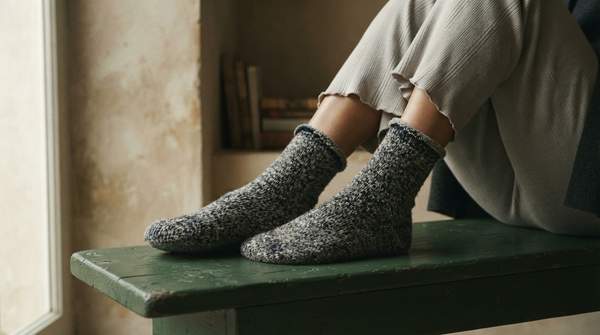
The ultimate comfort of loungewear—the kind that makes you feel truly at ease from morning to night—is determined less by its style and more by its substance. The choice of fabric shapes every aspect of the experience, from softness and breathability to durability and care. According to apparel retailer tasc Performance, "The right fabric can mean the difference between feeling cozy and feeling overheated, between something that looks good at noon and still feels good at night." For extended periods of wear at home, natural and semi-natural fibers often provide superior comfort compared to pure synthetics, which can trap heat against the skin.
Why Fabric Is the Key to At-Home Comfort
Loungewear is designed for prolonged contact with the skin, making the material’s properties paramount. The central decision often involves a trade-off between the breathability of natural fibers and the easy-care durability of synthetics. According to the apparel brand Eberjey, purely synthetic fabrics like polyester and nylon are known to trap heat and moisture. While this can be an advantage in activewear designed for short bursts of activity, it becomes a liability during hours of relaxation. Citing a 2020 study by Honarvar and Shanbeh, the brand notes that in prolonged-wear evaluations, natural and semi-natural fibers consistently earn higher scores for skin comfort.
This is where fabric blends become essential. A guide from Mood Sewciety explains that blending different fibers is an intricate process designed to yield a fabric that "encapsulates the best qualities of its constituent fibers." For loungewear, this often means combining the softness and airiness of a natural fiber like cotton with the strength and wrinkle resistance of a synthetic one like polyester. The result is a textile engineered for both comfort and practicality, bridging the gap between how a garment feels and how it holds up to daily life.
Loungewear Fabric Decision Matrix
To select the ideal material, it helps to compare the distinct properties of common loungewear fabrics. This matrix breaks down the key characteristics of cotton, bamboo, and polyester blends to align their performance with your personal comfort priorities, whether that’s all-day breathability, luxurious softness, or low-maintenance durability.
| Fabric/Blend | Key Properties (Softness/Feel) | Breathability & Moisture Management | Durability & Care | Best For |
|---|---|---|---|---|
| Cotton & Cotton Blends | Soft, familiar, and gentle on the skin. A classic choice for everyday comfort. Blends with spandex add stretch for better movement. | Highly breathable, allowing air to circulate and heat to escape. It absorbs moisture well, making it comfortable in warmer conditions. | Generally easy to wash. When blended with polyester, it becomes significantly more durable and resistant to wrinkles. | All-day wear, warm weather lounging, and individuals with sensitivity to synthetic materials. |
| Bamboo & Bamboo Blends | Often described as noticeably softer and more luxurious than cotton, with a smooth, silky feel. | Extremely breathable with natural moisture-wicking properties that pull moisture away from the skin, keeping you dry and comfortable. | Maintains its softness best with gentle washing cycles and low heat. Less rugged than polyester blends but durable with proper care. | Extended wear where comfort is paramount, eco-conscious consumers, and situations requiring superior moisture management. |
| Polyester & Polyester Blends | The feel varies widely depending on the blend. On its own, it is less soft than natural fibers, so it is almost always blended with cotton or rayon for loungewear. | Significantly less breathable than natural or semi-natural fibers. It can trap heat and moisture, making it less ideal for long periods of wear. | Highly durable, wrinkle-resistant, and excellent at retaining color and shape through many washes. The easiest to care for. | Prioritizing longevity, wrinkle resistance, and minimal-fuss care over maximum breathability and skin-feel. |