Here's the short answer: choose linen for hot sleepers and warm-weather bedding, organic cotton for versatile year-round comfort, and merino wool for superior temperature regulation and moisture management across seasons. Each fiber earns its place in a comfortable home. The trick is knowing which one belongs where.
I've spent a lot of time thinking about this, because the difference between a restless night and a restful one often comes down to what's touching your skin. Let me walk you through it.
Understanding Natural Fibers for Home Comfort
Cotton, linen, and wool are three of the most widely used natural fabrics, and each brings something genuinely different to your home. Cotton is soft, breathable, and versatile. Linen is lightweight, highly breathable, and naturally textured. Wool delivers insulation, elasticity, and moisture-wicking that makes it a natural fit for cooler weather.
Why does this matter for bedding specifically? Because natural fibers manage the microclimate between your body and your bedding. As one bedding guide puts it, they do this "in ways synthetics structurally cannot." That little pocket of air and moisture is where comfort lives.
One note before we dive in: I'm comparing general fiber properties here. A specific product's weave, weight, and manufacturing quality will shift its real-world performance. And "organic cotton" refers to the agricultural standard, not certifications like GOTS or OEKO-TEX, which deserve their own deep dive.
Linen: The Breathable Choice for Warmth
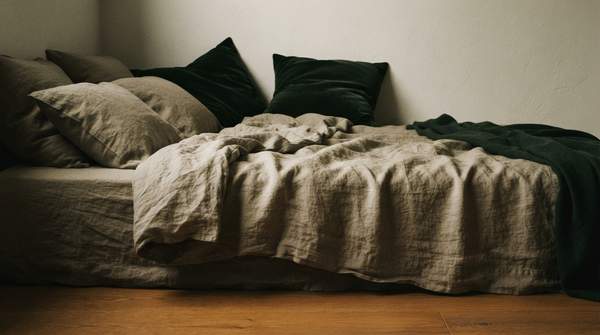
Linen is the summer houseguest of textiles—easygoing, a little rumpled, and endlessly cooling. Made from flax, it offers superior airflow and moisture-wicking, and it absorbs and retains less moisture than cotton. That lower moisture retention matters more than you might think: it creates conditions less hospitable to dust mites and mold, two of the most common bedding-related allergens.
There's real research behind the comfort claims, too. A 2024 systematic review published in a peer-reviewed journal found that linen bedsheets improved sleep quality under warm conditions in young adults compared to a cotton-polyester blend.
The texture? Naturally textured, and it improves with age and washing. Linen wrinkles easily—that's part of its casual charm, but worth knowing. Care is refreshingly simple: machine washable. In a fiber comparison from Harlow Henry, linen rated two stars for warmth but excellent for breathability, with spring and summer listed as its best seasons.
Organic Cotton: Versatility and Softness Year-Round
Organic cotton is the all-rounder. It's soft, breathable, and adapts well to various temperatures, which is why it's a year-round favorite. But here's where it gets interesting: the weave changes everything.
Percale cotton excels as a warm-weather sheet—crisp, cool, and quick to release body heat. Sateen cotton adds a slight warmth that works through milder winters. Same fiber, different personality.
Care is where cotton really shines. It's easy to maintain and machine washable, no special treatment required. Softness varies by grade, so a higher-quality organic cotton will feel noticeably better than a bargain version. If you want one set of bedding that works in most seasons without much fuss, this is your fiber.
Merino Wool: Superior Insulation and Moisture Control
Merino wool is the surprise of the bunch. You'd expect superior insulation—and yes, it delivers that, with natural temperature regulation that makes it a structured, cozy choice for cooler weather. But merino is also highly breathable and absorbent, helping to prevent clamminess and resist natural odors.
Shepherd's Dream, which makes merino bedding, notes that merino fibers draw moisture away from the skin better than cotton, helping your body naturally regulate its temperature in all seasons. That's why it's rated as a year-round fiber despite its insulating reputation. Its natural properties help manage that microclimate between body and bedding.
Feel-wise, merino contains fibers with small micron diameters that make it plush and comfortable—no itch factor here. Durability is more nuanced. Fine merino wool is comparatively vulnerable to repeated abrasion, particularly in lightweight fabrics, which is why performance garments often blend it with stronger fibers. But for home textiles like blankets, Wirecutter's bedding writer Jackie Reeve highlights wool blankets as "durable, yet not at all prickly." Construction matters. Care is generally machine-friendly, but always check the label.
Natural Fiber Comparison for Home Textiles
Here's the at-a-glance view. Use it to match your priority—cooling, warmth, softness, longevity, or easy care—to the fiber that delivers it.
| Characteristic | Linen | Organic Cotton | Merino Wool |
|---|---|---|---|
| Best For (Climate/Season) | Warm climates; spring and summer | Year-round; percale for warm weather, sateen for milder winters | Year-round; insulation for cool weather, breathability when warm |
| Thermal Regulation | Lightweight and cooling; low warmth rating | Good breathability; percale releases body heat quickly, sateen adds slight warmth | Superior insulation with high breathability; prevents clamminess |
| Moisture Management | Superior airflow; absorbs and retains less moisture than cotton | Absorbent and breathable | Wicks moisture away from the skin better than cotton |
| Feel/Texture | Naturally textured; improves and softens with age and washing | Soft; varies by grade | Plush and soft thanks to fine micron fibers |
| Durability | Flax fibers are inherently strong; can be extremely durable | Depends on grade and construction | Withstands years of heavy use, though fine merino is vulnerable to abrasion in lightweight fabrics |
| Care | Machine wash; wrinkles easily | Easy; machine washable | Generally machine-friendly; check the label |
The pattern that emerges: linen and cotton win on cooling and easy care, while merino wins on temperature regulation and moisture control. No single fiber dominates every column—that's exactly why layering works.
Choosing Your Ideal Home Textile: Applications and Seasons
Now let's translate that table into your actual home.
For hot sleepers: Linen sheets are your best friend, backed by that 2024 review showing improved sleep quality in warm conditions. If linen's texture isn't your thing, crisp percale cotton releases body heat quickly and feels cool against the skin.
For year-round bedding: Organic cotton in sateen weave carries you through milder winters, while percale handles the warm months. One fiber, two weaves, full calendar coverage.
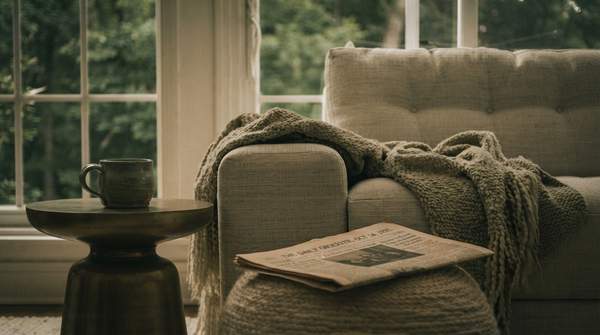
For a seasonal throw: A merino wool blanket is the quiet luxury piece—warm in winter, breathable enough that you won't overheat, and naturally odor-resistant. Wirecutter's picks include wool blankets precisely for that durable-but-not-prickly combination. Pair a merino throw with linen sheets and you've got a layering system that handles shoulder seasons beautifully.
Remember: these are general fiber properties. A heavy linen weave and a gossamer one behave differently, and care instructions are general—always follow the manufacturer's label for your specific product.
Making Your Choice: Tailoring Fibers to Your Home Comfort
So, the decision: select linen for ultimate breathability in warm conditions, organic cotton for versatile year-round comfort, and merino wool for superior temperature regulation and moisture management across seasons.
How do you know you chose well? The measurable indicator is the comfort level you experience with your chosen bedding or throws—specifically, reduced clamminess in warm weather with linen or cotton, or consistent warmth without overheating with merino wool. If you wake up less sticky on a warm night, or stay cozy without kicking off the blanket in January, your fiber choice is doing its job. That's a comfort outcome you can actually feel—and one worth paying attention to the next time you shop for your home.
Sources
- Cotton vs Linen vs Wool — LVLL™
- Benefits of Natural Fiber Bedding for Sleep — MATTEO
- Merino vs Linen: Which Is Better in Summer? — RYSY
- Fiber Guide: Alpaca, Merino, Mohair, Cashmere, Linen & Cotton Compared — Harlow Henry
- Wool Blankets Made in USA — Shepherd\'s Dream
- Our Favorite Bed Blankets — Wirecutter: Reviews for the Real World