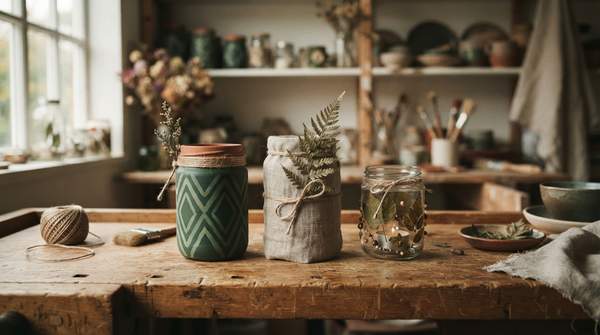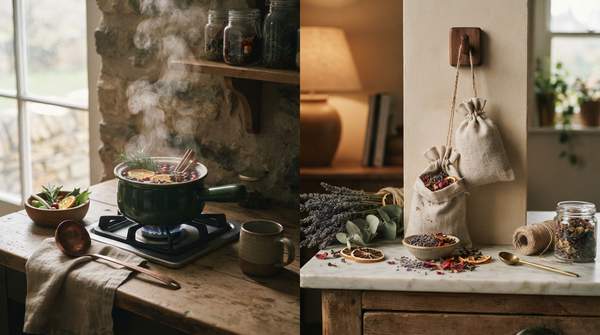
You can fill your home with natural fragrance using nothing more than kitchen scraps, garden clippings, water, and heat—or, if you'd rather skip the stove entirely, dried botanicals tucked into fabric sachets. Simmering potpourri delivers a warm, room-filling aroma within minutes, while dry sachets and passive diffusers offer a subtle, long-lasting scent for drawers, closets, and cars. Neither method requires essential oils, electric diffusers, or synthetic sprays.
Introduction to Natural Home Fragrances
Store-bought air fresheners and candles aren't the only route to a pleasant-smelling home. Pam Kessler of House of Hawthornes, who shares a stovetop potpourri recipe, turned to natural scenting partly because of her son's asthma-like issues and her own sensitive nose, preferring what she calls "a lighter scent" that is "all-natural." Her recipe promises "a quick and easy potpourri recipe to make your home smell fresh and cozy!"
The appeal goes beyond fragrance itself. A writer at The Yummy Life describes building a simple routine that keeps her house smelling pleasant "without staleness or day-after garlic odor," using only items available at the grocery store or her yard so the practice stays easy, inexpensive, and sustainable. The recipes are guidelines rather than formulas—she changes them constantly based on what's in her kitchen or yard. That flexibility is the real skill: once you understand which scraps carry which scents, you can improvise endlessly.
Simmering Potpourri: A Warm and Inviting Scent
A simmer pot is the fastest way to scent an entire room, and it works almost entirely with materials you'd otherwise compost. Food52's guide to creating a signature home scent suggests saving "your most fragrant scraps (think leftover ginger nubs, citrus and pear peels), or gather a few clippings of eucalyptus leaves or lavender blossoms."
Here's the basic process:
- Save your scraps. Collect citrus peels, ginger nubs, pear or apple scraps, and spice remnants like cinnamon sticks and star anise as you cook. A jar in the freezer or fridge keeps them ready.
- Choose a small pot. A saucepan on the stovetop is all you need; The Yummy Life also notes the method works in a slow cooker.
- Add water and ingredients. Fill the pot with water, then add a few handfuls of your saved scraps and botanicals—Kessler's signature combination is lemon, rosemary, and vanilla.
- Simmer on low heat. Bring the water to a gentle simmer, then reduce the heat so it barely bubbles. The steam carries the aromatics through the house.
- Monitor the water level. Check periodically and top up with water so the pot never boils dry. As the Cromaine District Library's sustainability piece puts it, "Most of your favorite food and spice aromas can be added to a simmer pot, making for a very cozy home throughout the winter."
Keep the pot simmering until the pleasant aromas dissipate, then compost the spent materials. Exact duration varies with your ingredients, heat level, and room size, so treat any timing as an estimate rather than a rule.
No-Heat Fragrance: Sachets and Passive Diffusers
When you want fragrance without heat, electricity, or ongoing attention, dried botanicals do the work. Astrid van Essen, writing for BotanicalBlueprint, recommends herb and flower sachets made from garden scraps: fill small fabric bags with dried lavender, rosemary, or chamomile, then place them in drawers, cars, or wardrobes to naturally scent linens and clothing.
The fabric itself can be upcycled. Van Essen suggests repurposing old cotton fabric or muslin into sachets, which keeps textile waste out of landfills while scenting your home. Food52 offers a no-sew version: iron three sides of a fabric rectangle with hemming tape to form a pouch, fill it by hand or with a spoon, then seal the fourth side the same way before tossing it into any drawer or closet corner that needs freshening.
Dried citrus zest and whole spices can also sit out in porous or open containers as passive diffusers, releasing a subtle, long-lasting aroma without any heat. Where a simmer pot announces itself the moment you walk in, sachets and passive diffusers work quietly in small, enclosed spaces—the two methods complement rather than replace each other.
Natural Fragrance Ingredient Selector
Use this table to match common ingredients to the scent you want and the method you're using. Fresh materials generally suit simmering; dried materials suit sachets and passive diffusion.
| Ingredient | Scent Profile | Best For (Method) |
|---|---|---|
| Citrus peels (lemon, orange, pear) | Fresh, clean, uplifting; intensity varies by citrus type and freshness | Simmering with fresh peels; dried zest in passive diffusers |
| Cinnamon sticks | Warm, spicy, cozy; whole sticks release scent more gradually than ground cinnamon | Simmering; also decorative in passive diffusers |
| Rosemary | Fresh, herbaceous, slightly woody; fresh sprigs smell stronger than dried leaves | Simmering with fresh sprigs; dried leaves in sachets |
| Star anise | Licorice-like, sweet, warm; strong enough to dominate a blend if overused | Simmering; visually appealing in dry arrangements |
| Lavender | Floral and calming | Dried blossoms in sachets; fresh clippings in simmer pots |
| Chamomile | Soft, apple-like floral | Dried flowers in sachets |
| Ginger nubs | Spicy, warm, sharp | Simmering |
| Cranberries | Sweet-tart, festive when simmered with spice | Simmering |
To build a blend, pick one bright top note (citrus), one warm middle note (cinnamon or ginger), and one herbal base (rosemary or lavender), adjusting proportions as you go. Start with less star anise than you think you need—it's the ingredient most likely to overwhelm everything else in the pot.
Tips for Longevity and Safety
Scent duration is an estimate, not a guarantee: it varies with your ingredients, the method, and conditions in the room. Simmer-pot aromas last until they dissipate, at which point you can refresh the water or start again. Sachets and passive diffusers are described by the sources as subtle and long-lasting, and their scent can be revived by gently crushing the dried material.
On safety, the Cromaine District Library cautions that simmer pots "do not come with many safety warnings, but there are a few things to keep in mind when boiling your favorite ingredients on the stove." If you have children or pets, be sure your ingredients are safe for use around them; the library notes that some "spicy" essential oils are not particularly good for young children to breathe in, and some can be toxic to pets, especially cats. This guide doesn't cover specific toxicity details for individual botanicals, so verify any questionable ingredient before simmering it in a pet household. Never leave a simmering pot unattended, and always keep the water level topped up.
Finally, this is a fragrance guide, not an aromatherapy resource—nothing here should be read as medical or therapeutic advice.
Embrace a Mindful, Naturally Scented Home
Readers can confidently create natural home fragrances using accessible kitchen scraps and foraged botanicals through either simmering potpourri or no-heat methods. Start with whichever matches your day: a lemon-rosemary simmer pot when you want the whole house to smell warm and inviting within minutes, or a lavender sachet sewn from an old cotton shirt for a drawer that greets you quietly every morning. The measurable indicator of success is simple: a noticeable, pleasant natural aroma in the home without the use of synthetic air fresheners.
Sources
- FOOD52
- DIY Stove Top Home Fragrance — House of Hawthornes
- DIY Natural Room Scents — The Yummy Life
- Thinking Sustainably: Simmer Pots — Cromaine District Library
- Zero-Waste Fragrance Hacks: Upcycled Ways to Naturally Scent Your Home — BotanicalBlueprint