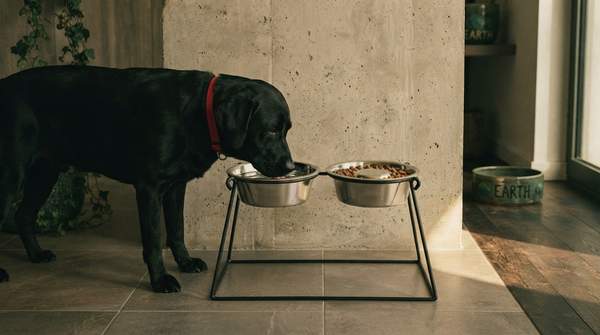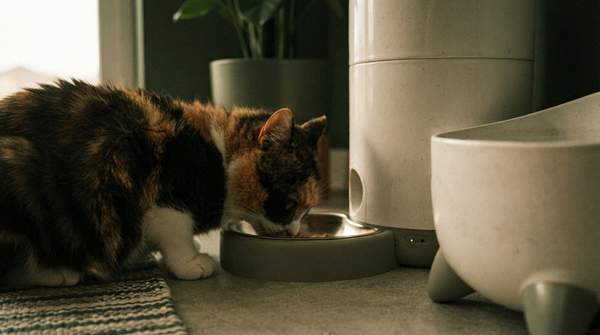
Most pet owners already know who they would call if they were suddenly hospitalized for a few days. The harder question is what should happen if you die or become unable to resume your pet’s care.
A lasting backup plan needs a caregiver, money for ongoing expenses, and instructions that reflect the life your pet already knows. Alatsas Law Firm creates New York pet trusts that can bring those decisions together in a legally structured plan.
A Pet Trust Gives the Care Plan a Legal Structure
New York law recognizes trusts created for designated domestic or pet animals. The trust can hold property for their benefit and continue until the last covered animal dies.
That structure is particularly useful because pet care is ongoing. Food, veterinary treatment, medication, grooming, exercise, boarding, and other needs continue after responsibility passes from one person to another.
The type of trust also affects when the plan takes effect. A lifetime pet trust can be established while you are alive, while a testamentary pet trust is created through a will and takes effect after death. Alatsas Law Firm can address the structure according to the circumstances the plan is intended to cover.
Start With the Person Who Would Actually Provide the Care
Naming someone who loves your pet is a good beginning. The more practical question is whether that person is willing and realistically able to provide the care your particular animal requires.
A young dog with a high activity level creates a different commitment from an elderly cat taking daily medication. Multiple pets, exotic animals, behavioral needs, or frequent veterinary care can make caregiver selection more consequential.
Alatsas Law Firm includes caregiver selection in its pet trust planning. The firm can also address an alternate caregiver or a professional pet care organization so the plan has another route if the first choice later becomes unavailable.
That backup deserves attention while everyone involved is healthy and willing. Circumstances can change over a pet’s lifetime, especially when the animal may need care for many years.
Funding Should Reflect the Care You Want to Continue
Choosing a caregiver answers who will look after the pet. Funding addresses how that person can pay for the care described in the plan.
New York pet trusts can hold property for covered animals, and state law generally restricts trust principal and income to their benefit unless the trust provides otherwise. Alatsas Law Firm can incorporate funding for expenses such as food, veterinary treatment, grooming, and other planned care.
The amount should be considered in light of the animal itself. Age, expected lifespan, health needs, routine expenses, and the number of pets covered can all affect how much the plan may need to support.
New York law also permits a court to reduce trust property when the amount substantially exceeds what is required for the intended use. A considered funding decision therefore serves the pet better than simply choosing a large round number without connecting it to expected care.
Care Instructions Can Preserve a Familiar Routine
Money cannot tell a future caregiver that your dog expects a walk before breakfast or that your cat needs medication at a particular time. Daily routines and small preferences can become valuable information when the person taking over care is trying to maintain some continuity.
Alatsas Law Firm’s pet trust service allows clients to include detailed instructions covering matters such as diet, veterinary care, grooming, activities, and special needs. The plan can be shaped around the animal you actually have rather than a generic idea of pet ownership.
Those instructions are especially useful for pets with established medical or behavioral routines. They can also record preferences that would otherwise exist only in conversations or in the owner’s memory.
The Caregiver and Trustee Can Have Separate Roles
The person caring for your pet and the person managing the trust property do not have to be the same individual. Separating the roles can make sense when one person is the natural choice for daily care while another is better suited to handling money and trust administration.
The caregiver handles the animal’s day-to-day needs. The trustee administers the trust property according to its terms and makes funds available as the plan directs.
New York law also accounts for a gap in the trustee role. If no trustee is named, or the designated trustee is unwilling or unable to serve, a court can appoint one to carry out the trust’s purpose.
Alatsas Law Firm can address these responsibilities during the planning process so each role is assigned deliberately rather than left for someone else to sort out later.
Decide Where Unused Trust Property Should Go
A pet trust ends when the last animal covered by it dies. Any property remaining at that point still needs a destination.
New York law allows the trust document to direct where the unused property should go after termination. If the trust contains no such direction, current state law provides the default rule for transferring the remaining property.
Planning the remainder in advance lets that final transfer follow your own estate-planning decisions. The pet trust can therefore fit into the larger plan for your property rather than operating as an isolated document.
Alatsas Law Firm Builds the Plan Around the Pet
Pet trust planning at Alatsas Law Firm uses a defined process rather than starting with a blank form and a dollar amount.
During the Vision Meeting, the discussion can cover your goals and your pet’s specific needs, including activities and special care requirements. The Design Meeting turns those decisions into a plan addressing caregiver selection, funding, and detailed care instructions.
The Signing Meeting completes the trust through the required legal documentation. By that stage, the practical questions about who provides the care, how it is funded, and what instructions should continue have already been worked through.
That sequence suits pet planning because many of the important choices are personal. The legal structure becomes stronger when it reflects the animal’s actual routine and the people who would be responsible for carrying it out.
One Trust Can Account for Several Pets
New York law permits a pet trust to cover multiple designated animals, and Alatsas Law Firm offers planning for households with more than one pet. The trust can continue until the last covered animal has died.
Several pets can make the planning more detailed. Their ages, expected lifespans, medical needs, compatibility, and whether you want them kept together can affect the instructions given to future caregivers.
Addressing those questions in advance reduces the number of decisions someone else must make during a difficult transition. It also gives each animal’s needs a place within the same overall care plan.
Frequently Asked Questions
Is a pet trust legal in New York?
Yes. New York law expressly recognizes trusts created for designated domestic or pet animals. Alatsas Law Firm creates pet trusts for clients who want a formal structure for future care, funding, and instructions.
Can a pet trust provide for care if I become incapacitated?
Yes, depending on how the trust is structured. Alatsas Law Firm can discuss a lifetime pet trust for planning that may need to operate during your lifetime as well as testamentary planning that takes effect after death.
What can I include in a pet trust?
A pet trust can address funds and instructions for your animal’s care. Alatsas Law Firm can incorporate caregiver selection, food, veterinary needs, grooming, routines, activities, and other relevant care requirements into the planning process.
What if my chosen caregiver becomes unavailable?
A pet trust can include another option for care. Alatsas Law Firm can address an alternate caregiver or a professional pet care organization so responsibility does not depend entirely on one person remaining available.
Can one pet trust cover several pets?
Yes. Alatsas Law Firm can create a pet trust covering multiple designated animals, with the trust continuing until the last covered pet dies. The plan can account for different routines, needs, and care instructions within the same household.
Give the Backup Plan Enough Detail to Work
Choosing who would take your pet answers only the first question. A durable plan also addresses funding, daily care instructions, backup caregivers, trust administration, and what should happen to remaining property later.
Schedule a free consultation about a pet trust with Alatsas Law Firm to put those decisions into a plan built around your pet’s actual needs.