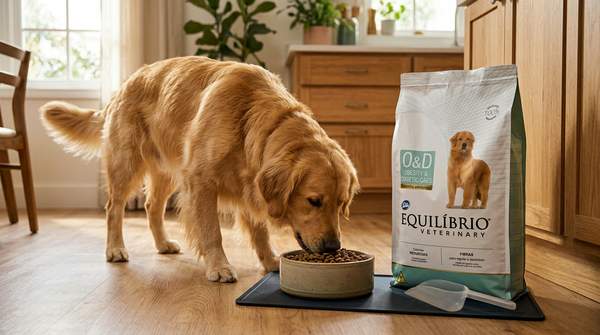
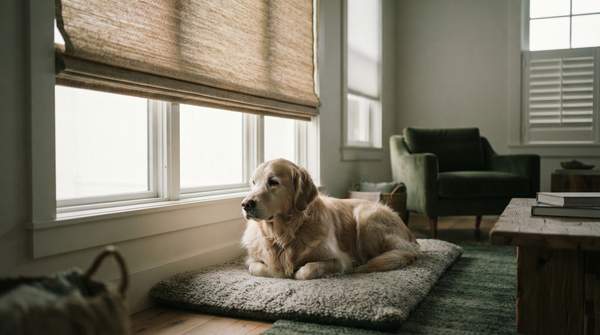
Yes, you can have a dog or a cat and a beautifully considered living room at the same time. The trick is to stop shopping in the pet aisle and start shopping the way you would for any other piece of furniture: by design style, by material, and by what the item actually has to survive. Beds, bowls, crates, gates, and scratching posts all come in versions meant to sit comfortably beside your decor rather than fight it, and the choice between them comes down to a few trade-offs you can evaluate before you buy.
Integrating Pet Accessories into Modern Home Decor
The problem is familiar to anyone sharing a home with a cat or dog: the paraphernalia. As the interiors writer behind These Four Walls put it in a roundup of design-led pet sources, pets "bring with them a lot of paraphernalia – beds, bowls, scratching posts, toys, litter trays," and most of it "isn't exactly pretty," which is especially awkward for a minimalist who can't stand clutter. Her point, worth taking seriously, is that stylish alternatives exist across a range of budgets, and that most are more durable and sustainable than the flimsy plastic options in standard pet stores.
That framing — durable and sustainable, not just decorative — is where the modern category has moved. Harry Barker, a brand founded in 1997, describes its own approach as combining a love of pets with an appreciation of fashion and style, focusing on classic design elements that complement your home décor as much as they please your pet. In other words, the pet's comfort and the room's composition are treated as one brief, not two competing ones.
The same shift shows up at the high end of the market. ELLE Decoration UK, surveying designer pet accessories, noted that "there's something for every pet (and pet parent) to love," from Poltrona Frau's ruched leather dog bed and a Celine carrier to Hay's dog accessories line created with fashion and interiors boutique Holly Golightly. The lesson isn't that you need a luxury budget; it's that pet products are now designed with the same seriousness as the rest of the household's objects, at every price point.
Pet Accessory Decision Framework
Before falling for a single product, run it through three questions in order: does it match your home's design language, is the material one you can live with, and does it serve your pet's actual function? The matrix below cross-references the main accessory categories against those dimensions, using the material and design evidence gathered here.
| Accessory category | Design style | Material focus | Durability & maintenance | Functional integration |
|---|---|---|---|---|
| Classic beds, bowls, and collars | Timeless, decor-complementary | Natural and sustainable fabrics over flimsy plastic | Chosen for lasting design rather than trend | Pet comfort first, with decor as an equal brief |
| Ceramic bowls and feeders | Handcrafted, kitchen-adjacent | Ceramic | Hygienic and stable, but chips or shatters if dropped; cracked ceramic can harbour bacteria and should be inspected and replaced | Feeding station that reads as a household object |
| Wooden feeders and furniture | Natural, warm | Hardwoods such as maple, oak, and cherry | Dense and scratch- and dent-resistant; porous, so needs prompt wiping and sealing, and must avoid prolonged moisture | Ergonomic raised feeding with organic beauty |
| Furniture-style crates and gates | Modern, minimal | Clear acrylic and furniture-grade construction | Built to blend in rather than be hidden away | Containment that reads as decor |
| Cat towers, caves, and scratchers | Sculptural, design-forward | Varies by brand, from modern towers to playful "home-cave-refuge" forms | Depends on material; choose for the cat's scratching and climbing habits | Play and rest integrated as a visible object |
Use the matrix left to right. A home with a classic, layered aesthetic points toward timeless beds and ceramic bowls; a modern, minimal space points toward acrylic gates and furniture-style crates. Then let the material column veto anything you can't maintain, and let the function column veto anything your pet won't actually use.