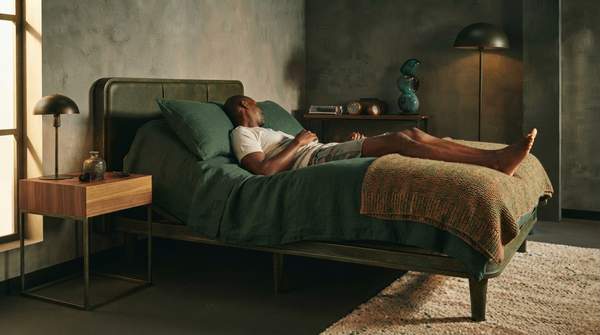
Smart lighting, climate control, and sound devices can genuinely support better sleep—but only when they're set to the right values and timed to work together. The short answer: warm, dim light in the evening; a bedroom around 65 to 68 degrees Fahrenheit; and steady, soothing sound to mask disruptions. Chain those three into a single "sleep mode" routine, and your home handles the sleep-hygiene work for you every night, without depending on your willpower at 11 p.m.
Why Your Bedroom Environment Does the Heavy Lifting
Your bedroom isn't neutral territory. Light, temperature, and noise each send your body a signal about whether it's time to wind down or stay alert. Getting high-quality, restorative sleep is one of the most important things you can do for your health and productivity, as smart home wellness writer Nathan Smith notes at TSP Smart Spaces—and that makes your sleep environment a health tool, not a decorating preference.
The National Sleep Foundation frames technology's role plainly: if you want something more to help you fall asleep or stay asleep, smart technology and sleep devices "are designed to help improve your sleep experience," and adding them to your bedtime routine may provide solutions to sleep challenges. The payoff compounds over time. Smith points out that consistent, sufficient sleep offers numerous benefits, including boosting your immune system, improving mental focus and productivity, reducing stress levels, and lowering risks of issues like weight gain, heart disease, and other chronic health problems.
Smart home technology is an evolving area that can help maintain a sleep-friendly environment, as the National Sleep Foundation puts it. The trick is knowing which settings actually matter. That's where the science comes in.