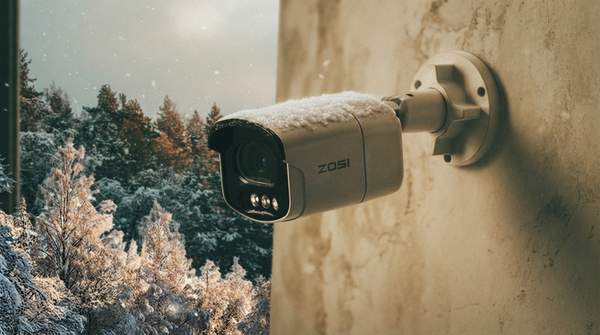
Here's the short answer for cold-climate shoppers: choose hardwired power over batteries, and check the manufacturer's stated operating temperature range before anything else on the spec sheet. That two-step screen matters more than any "weatherproof" badge on the box. Tech journalist Erin Lawrence, writing for Digital Trends, puts it bluntly: if you live where it gets bitterly, extremely cold, wireless cameras, lights, and other smart components "will likely stop working."
Introduction: Preparing Your Smart Home for Winter
Winter is arguably the toughest season for your smart home, as Chris Hachey notes at MakeUseOf. Some devices are simply more susceptible to freezing temperatures than others. They can malfunction or stop working altogether, right when you need them most — the season when you'd rather glance at a camera feed than shovel a path to the mailbox to check on a dead gadget.
Lawrence sees the same pattern among buyers: most shoppers are eager to set up and play with their new toys, and they don't think ahead to how that device will operate when the weather turns harsh. That's the gap this guide closes. Instead of memorizing a product list, you can learn two checks that work on any outdoor device — a doorbell, a camera, a light, a sensor — and run them before you click buy.
Power Source: The Cold's Biggest Foe for Smart Devices
Batteries are the weak link. A battery-powered device only works as long as its battery holds enough charge, and in a colder climate that battery life starts to shorten, as Hachey explains using Ring's popular doorbell line as an example. The cold drains the cell faster, and a device that ran for months in summer can start begging for a recharge in January.
Hardwired devices sidestep that failure mode entirely. Wired versions connect to your home's power and keep functioning as long as that power is running, Hachey notes. The thermometer outside doesn't change what comes out of your wall.
One caveat, though, and it matters: wiring solves the power problem, not the temperature problem. A hardwired device still has electronics that must be rated for your actual winter lows. That's why the second check exists, and why neither check works alone.
Beyond IP Ratings: The Critical Operating Temperature Range
That "IP65" or "IP67" badge feels reassuring. It shouldn't be. When shopping for an outdoor device, most of us look at the IP rating and assume it means the gadget is impervious to any kind of weather, Lawrence writes. That's only true to an extent — the rating covers water and dust ingress, and nothing about how effectively cold or heat can penetrate the device.
The number you actually want is the operating temperature range, usually buried in the product specifications. It defines the manufacturer-guaranteed band within which the device was designed to function. To know how a device withstands cold winters, Lawrence advises, you need to check that range — not the ingress rating. Skip it and you're guessing. Find it and you know exactly where reliability ends.