Yes, you really can program your smart home to relax for you. The trick is the "scene": a saved combination of lighting, sound, and temperature settings that activates with one command or on a schedule. Below, I'll walk you through the vocabulary, then give you a repeatable recipe framework with two concrete scenes: an Evening Wind-Down and a Focused Reading setup.
Crafting Your Calm: The Mindful Smart Home Ambiance
Here's the idea that changes everything: ambiance isn't something you adjust. It's something you experience. That's how Integration Controls, a smart home design firm, puts it—when lighting, sound, and shading work together through automation, your home starts anticipating your needs instead of waiting for commands.
Think of ambiance as intentional orchestration. Layered lighting that adapts to your natural rhythm. Thoughtful soundscapes. Shading that balances natural light. Routines that make it all seamless. The goal of a "mindful" or "low-stimulus" home, as Homey's smart home platform describes it, is to minimize unnecessary sensory input—light, sound, temperature fluctuations, even digital clutter—so your environment stops competing for your attention.
One honest caveat before we start: this is about comfort and atmosphere, not medicine. Nothing here is medical advice about sleep or stress. It's about making your evenings quieter, warmer, and easier.
Understanding Smart Home Ambiance: Scenes, Flows, and Automation
Three terms do most of the heavy lifting, and platforms use them slightly differently. Homey's definitions are a useful baseline.
A scene is a saved combination of device settings—lighting, sound, temperature—that you activate all at once to create a specific mood. Tap once, and everything shifts together. A flow is an automation that connects triggers, conditions, and actions: "when the clock hits 9 p.m., and someone is home, then dim the living room lights." Other platforms call these routines or automations, but the anatomy is the same.
Automation is the umbrella idea: devices coordinating without your involvement. Integration Controls highlights this as what makes ambiance effortless—your home can shift to soft evening tones automatically or create a peaceful bedtime transition on its own.
One more concept worth knowing: local processing. Homey notes that automations running inside your home, rather than in the cloud, stay fast and reliable even if your internet drops—fewer delays, fewer surprises. For relaxation routines, reliability matters. A scene that stutters is its own kind of stress.
Your Relaxation Scene Recipe Framework
Here's the template. Every relaxation scene answers four questions: What's the goal? What should the light do? What should the sound do? What should temperature and other devices do? Map the goal to settings, save it, and you have a scene.
| Goal | Lighting | Sound | Climate & Other |
|---|---|---|---|
| Evening Wind-Down | Dim, shifted to warm tones; some lights off entirely | Quiet soundscape, such as gentle rainfall; noisy devices muted | Cool the home slightly for sleep; close curtains; fan on if you like white noise |
| Focused Reading | Warm, soft glow—bright enough for the page, dim enough to feel settled | Optional quiet background; appliances quieted | Stable, comfortable temperature |
The reasoning behind each row comes straight from how installers and platform makers describe these setups. Homey's evening mode softly fades lights, shifts color temperature warmer, and turns lights off in empty rooms. Its wind-down scene dims light, adjusts color, and mutes devices. Aqara's relaxation example layers in curtains, temperature adjustment, and a fan. Digital Installers notes that smart lighting scenes adjust brightness, color, and warmth to match the moment—including "a soft glow in the bedroom to wind down."
Recipe 1: The Evening Wind-Down Scene
This is the scene with the richest evidence, so let's build it properly. Start with light. Homey's evening mode is the model: lights softly fade, color temperature shifts to warmer tones, and lights in empty rooms turn off automatically. The repetition of a calm lighting routine, Homey suggests, "invites relaxation and signals your body it's okay to notice stillness."
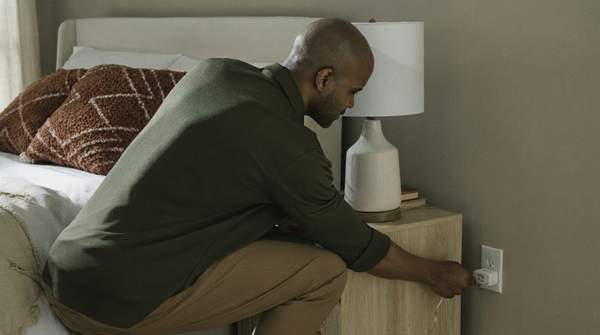
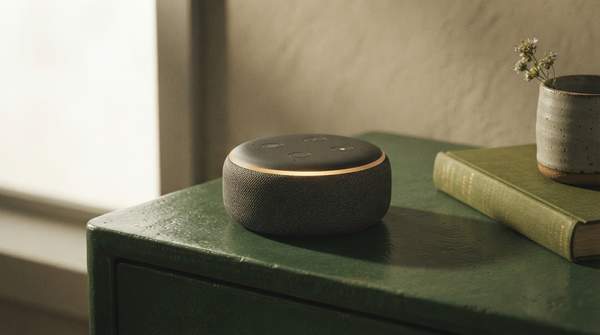
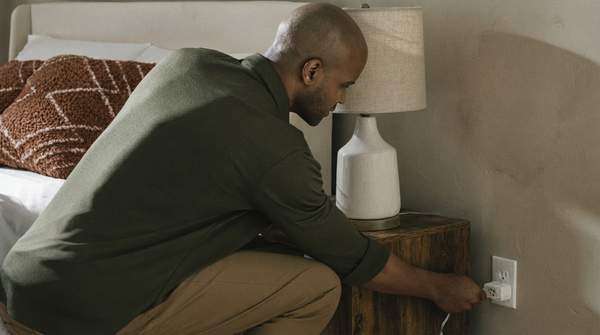
Next, sound. Homey points out something we all feel but rarely fix: our auditory system stays busy even when we're still—beeps, timer buzzes, humming appliances. Your wind-down scene should actively quiet these. Smart plugs can switch off noise-making devices on a schedule, and a soothing soundscape can take their place. Audio Video Pros, writing about the "mindful smart home," suggests soundscapes like gentle rainfall for exactly this purpose.
Finally, climate and shading. Aqara's relaxation scene closes the curtains, settles the temperature, and turns on a fan. Audio Video Pros adds the timing logic: set your system to cool the home in the evening, which they describe as helping promote better sleep. Stack all three layers—warm dim light, quiet sound, cooler air, closed curtains—into one scene, trigger it at a set time, and your wind-down starts itself.
Recipe 2: The Focused Reading Scene
Reading needs a different balance: calm, but alert enough to stay on the page. The evidence here is thinner—fewer sources describe reading-specific settings—so treat this recipe as a lighter framework you'll tune to your own comfort.
Lighting is the anchor. Aqara describes lights easing down when you sit down with a book. Digital Installers frames the principle well: smart lighting scenes adjust brightness, color, and warmth so your home fits the moment. For reading, that means warm but functional—soft overall ambience with enough brightness where you're sitting. Homey's approach of matching lighting to the activity supports the same idea.
Sound and climate play supporting roles. Carry over the wind-down scene's quieting logic—mute appliances, keep the room's soundscape minimal or silent. Keep temperature stable rather than actively cooling; Homey's low-stimulus philosophy specifically flags temperature fluctuations as sensory input worth smoothing out. Save it as its own scene so one tap swaps your room from evening mode to reading mode.
Activating Your Personalized Relaxation Ambiance
Here's the decision in plain terms: readers can program multi-device smart home scenes to create specific relaxing ambiances. You don't need every device category to start. Homey suggests beginning with dimmable lighting, smart plugs for noisy appliances, occupancy sensors, and a central controller.
Build one scene at a time. Program the Evening Wind-Down first—it has the most moving parts and the biggest payoff. Attach it to a trigger: a time, a voice command, or a button. Then add the reading scene as a variation. The measurable indicator of success is simple: successful activation of a custom relaxation scene through a single command or schedule. When your lights warm, your soundscape fades in, and your thermostat settles—all from one tap, without you touching anything else—your ambiance has become something you experience, not something you adjust.
Sources
- Ambiance in Smart Home Design | How Integration Controls Shapes the Perfect Atmosphere — Integrationcontrols
- Make Your Home a Calm Sanctuary with Homey and Smart Tech – Inspiration
- 5 Nifty Ways Your Smart Home Can Help You Relax and Unwind - CNET
- How Smart Lighting Transforms Home Ambience — Digital Installers
- The Mindful Smart Home: Automation for Relaxation — Theaudiovideopros