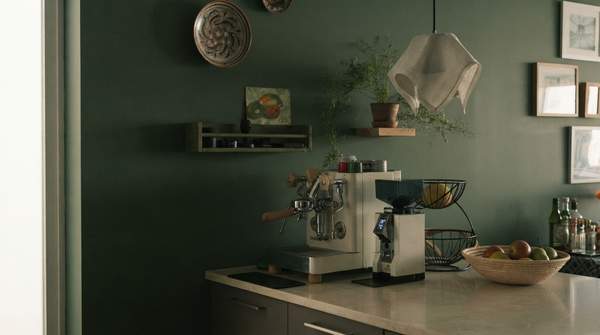
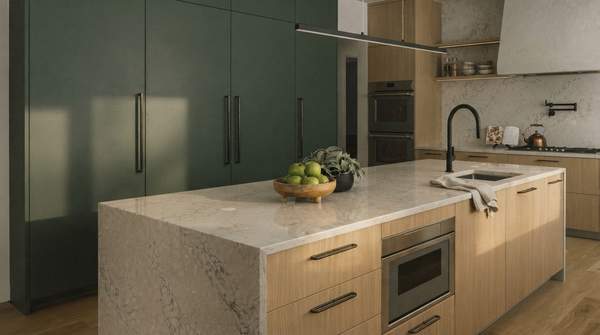
In their Manhattan apartment, Zooey Deschanel and Jonathan Scott conspicuously avoided recessed lighting in their kitchen. Instead, they chose a curated collection of vintage-inspired lanterns and sculptural sconces. This design choice reveals a growing preference for aesthetic character over purely utilitarian illumination, even for brightening a dark kitchen without windows.
Kitchen lighting once meant practical recessed fixtures. Now, designers and celebrities favor statement pieces and smart controls, prioritizing ambiance and character. This shift means kitchens are likely to become more visually dynamic and adaptively lit spaces, moving away from uniform, overhead illumination. This trend defines the best kitchen lighting solutions for dark rooms in 2026.
The Industry's Shift to 'Jewelry Pieces'
Helen Pett, Design Expert at Arteriors, notes a definitive shift from recessed lighting towards statement 'jewelry pieces' in kitchen design. Zooey Deschanel and Jonathan Scott exemplify this, choosing sculptural lights with character over current trends, as reported by Homes and Gardens. Design professionals now craft inviting atmospheres with character-rich lighting, moving beyond mere illumination. A consumer demand for kitchen design that reflects personal identity, not just generic function, is evident.
Crafting Ambiance with Diverse Fixtures
The Deschanel-Scott kitchen, with its vintage lanterns and sculptural sconces, shows a clear shift. Lighting now creates inviting, personalized environments, not just bright workspaces. It has become a primary vehicle for personal expression, infusing personality and emotional warmth into living spaces. Homeowners demand designs that reflect their identity, moving beyond traditional utilitarian aesthetics.
Integrating Smart Controls for Modern Needs
One user installed a smart Hue switch in their kitchen because the original switch was misplaced, according to 9to5Mac. This adoption rectifies architectural flaws, offering practical solutions beyond mere luxury. Smart home controls address functional shortcomings. As visible fixtures grow more expressive, the user experience increasingly relies on invisible, intelligent automation. This points to a future where aesthetics and automation seamlessly coexist.