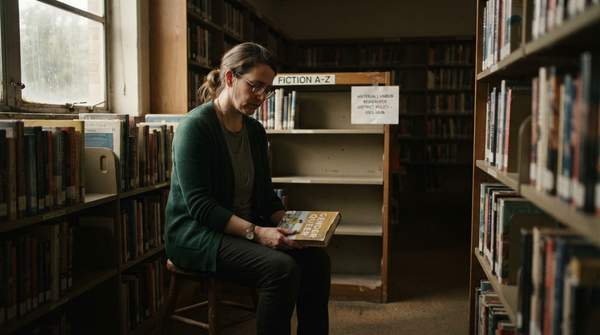
Karen Smith manages over 3,000 books in her home library, not with endless shelves, but with a dedicated software system and a mobile app. This digital prowess (Bookpedia and Pocketpedia, according to simplycharlottemason, if you're curious) allows her to keep track of a truly impressive collection without her home turning into a literary obstacle course. It’s a game-changer, honestly.
But here’s the rub: many of us still believe a proper home library needs vast space and custom carpentry. We picture grand, oak-paneled rooms, right? I know I do, sometimes. Yet, effective organization and clever design can create an inspiring book sanctuary in any home, regardless of its footprint.
So, homeowners are increasingly finding creative ways to integrate their book collections into their living spaces, prioritizing both aesthetics and accessibility. It’s about making your books work for you, not the other way around. This is how to design and organize a home library in 2026, no matter your space.
The Modern Home Library: More Than Just Books
Forget the dusty, exclusive image of libraries past; the modern home library is a versatile beast. It's not just a storage unit, but a multi-functional hub. Take the DIY dining library, for instance: The Washington Post notes it can create a space for reading, crafting, working, or even hosting friends for dinner. Who knew your cookbooks could share space with your dinner guests? But don't stop there. An English snug, according to housebeautiful, incorporated a dry bar, moody lighting, and cozy colors. These elements transform a book-filled area into a full-blown retreat, proving a home library is now a personalized sanctuary, tailored to individual needs and aesthetics, enhancing daily life in more ways than one. It’s basically a spa for your brain, with bonus booze.
Designing Your Book Sanctuary: Practical Steps
Ready to build your own book sanctuary? Start by repurposing existing areas. The Washington Post, for example, offers detailed instructions on creating a DIY dining library, proving you don't need a dedicated room. It’s about smart adaptation, not starting from scratch. And when it comes to maximizing storage without sacrificing precious floor space, shallow built-ins are your best friend. While typical shelves are 20 inches deep, houseandhome suggests built-ins receding just 12 to 14 inches can beautifully highlight artifacts and books – perfect for those oversized art books you just can't part with. Alcoves alongside a fireplace, for instance, are perfect spots for fitting extra bookshelves, a clever trick Homes and Gardens points out. Strategic planning and understanding your space limitations are crucial for maximizing both storage and aesthetic appeal, turning even overlooked areas into functional library spaces. Who knew that awkward corner could hold so much wisdom?
Avoiding Common Library Design Mistakes
Let's be honest: one common pitfall is believing a substantial home library requires bespoke joinery and extensive custom builds. While bespoke joinery might seem ideal (and Homes and Gardens certainly makes a case for it), the real key for most of us is clever, accessible design. It’s easy to get caught up in aspirational images, but that can lead to inaction or budget paralysis – and nobody wants that. The traditional dedicated library room? Frankly, it's obsolete. Multi-functional spaces and clever design can effectively house and celebrate books without requiring a single extra square foot. Investing in thoughtful design elements and tailored solutions (even DIY ones) prevents issues like clutter and disorganization, ensuring a truly enjoyable space without breaking the bank. Your wallet will thank you, and so will your sanity.
Creative Ideas for Style and Organization
Injecting personality into your library space can be as simple as a paint job. Bookshelves were painted a deep red to contrast with white walls and a blue ceiling, according to housebeautiful. Such bold choices create a distinctive atmosphere. It's about making the space feel uniquely yours – a reflection of your inner literary rebel. Beyond color, integrating shelves into existing architectural features is another smart move. Built-in bookcases were added around a window frame in a sitting room, according to housebeautiful. This maximizes vertical space and creates a cohesive look, turning dead space into a literary haven. For managing a large collection, Karen Smith’s method, utilizing Bookpedia software and the Pocketpedia app, proves digital tools are fundamental for both scale and accessibility. Combining bold aesthetic choices with smart organizational tools, including digital solutions, elevates a library's form and function, making it both beautiful and manageable. It’s like having a personal librarian in your pocket, without the shushing.
Your Home Library Questions Answered
How do I create a cozy reading nook?
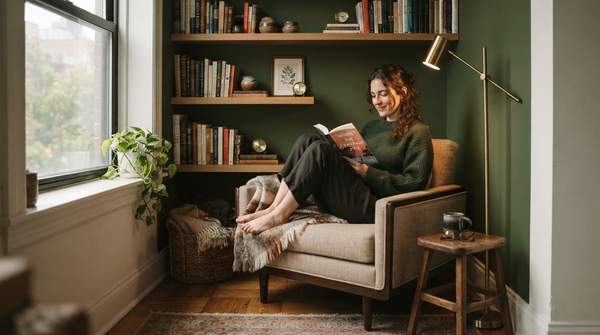
Creating a cozy reading nook involves more than just books; focus on soft textiles and strategic lighting. Consider a comfortable armchair with a warm throw, and perhaps a small side table for your tea, making the space an inviting retreat that encourages lingering.
What furniture is essential for a home library?
Essential furniture goes beyond just shelving; consider pieces that serve multiple purposes in your home library design. A comfortable chair is key, but also look for ottomans with storage or a small desk that doubles as a display surface, maximizing utility in compact spaces.
Your Personal Library Awaits
If Karen Smith's digital prowess is any indication, the future of home libraries likely involves less dusty grandeur and more personalized, tech-savvy sanctuaries, making thousands of books manageable for anyone.