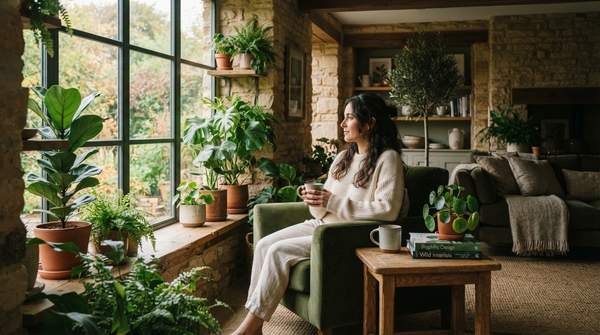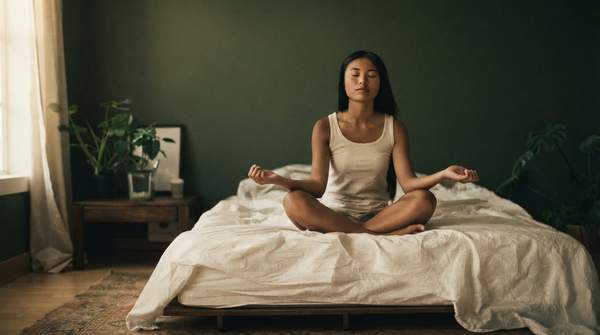
In our homes, we have spaces for work and spaces for rest, but often lack a place dedicated purely to personal pursuits and relaxation. This is the role of a "third space"—an area carved out just for you, distinct from the demands of productivity or the high traffic of family life. Creating this personal sanctuary isn't about having a spare room; it's about intentional design. By defining your purpose and using simple strategies to create a sense of separation, you can establish a functional retreat for hobbies, creativity, or quiet contemplation in any size home.
Understanding Your 'Third Space' Purpose
Before you move a single piece of furniture, the first step is to decide the primary function of your space. This decision will guide every subsequent choice, from location to lighting. A third space is purposefully non-functional in a traditional sense; its goal isn't productivity, but pleasure and personal fulfillment. Without a dedicated area, we often try to relax in our bedrooms, which can interfere with sleep, or in busy living rooms, according to the design publication Lunchbox Architect.
Consider what you need most. Is it a space for creative expression? An art studio, for instance, provides a place where you can freely make a mess without the pressure of cleaning up for dinner every evening, as noted by home design and construction firm Schroeder Design Build. Or perhaps you need a quiet retreat for reading or meditation. This kind of space gives you permission to slow down and is defined by its comfort and lack of distractions. The goal is to create a zone that supports a specific activity that recharges you.
Identifying the Ideal Location in Any Home
You do not need an entire room to create a meaningful third space. The key is to look for underutilized areas within your existing layout. According to an article by Vinitha Agarwal for Diyversify, what you need is a "defined footprint, even if it’s the size of a yoga mat." The identity of the space is more important than its square footage.
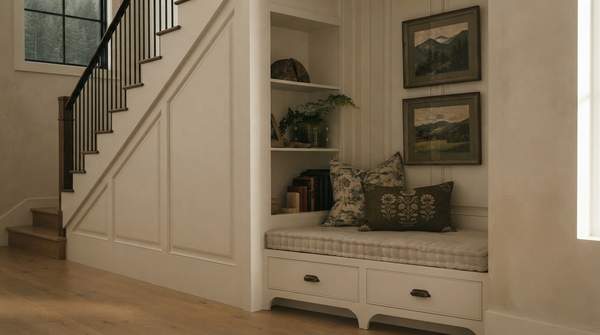
Look for potential spots like an awkward alcove, an unused corner of a bedroom, or even a section of a verandah. Schroeder Design Build suggests that creative spaces can be found under stairs or in a portion of a screened-in porch. A large closet or a section of your garage can also be repurposed. The most effective locations are often those slightly removed from the main flow of household traffic, allowing for a greater sense of retreat and focus. A well-defined 3-by-3-foot corner can be more effective than a large, ambiguous room.
Strategies for Creating Distinction in Small Spaces
Once you've chosen a location, the next challenge, especially in smaller homes, is to make it feel distinct from its surroundings. This separation can be achieved visually and physically without building walls. One effective method is to use furniture as a divider. According to one design professional, tall bookcases or even a strategically placed bench can create a clear boundary between your third space and the rest of the room.
Other non-structural solutions can also define the area. The same expert suggests using "curtains or pallet wood slats," which are affordable options that add texture and create a visual barrier. Even "floating art" suspended in the middle of a room can signal a transition into a different zone. This approach allows you to establish two distinct spaces for different activities within a single room. The goal is to create a psychological cue that you are entering a space with a different purpose.
Essential Design Elements for Your Third Space
With a purpose and location established, the final step is to layer in design elements that support the intended mood. According to Lunchbox Architect, this space should feel different from the rest of your home, which can be achieved through "soft lighting, tactile materials, and a different colour palette." These sensory details help shift your mindset the moment you enter the space.
Comfort is paramount. Whether it's a deep armchair, a built-in window seat, or a simple hammock, the seating should invite you to linger. For activity-based spaces, like an art studio, practical elements are also crucial. This includes good task lighting, storage for supplies, and an appropriate work surface like a drawing table or easel. Finally, a core principle is the minimization of distractions. This means keeping work laptops, laundry piles, and other chores out of sight to protect the space's purpose as a personal retreat.
Your Personalized Third Space Design Framework
To bring these concepts together, use this framework to map your personal needs to practical design choices. Start by identifying your primary purpose, then consider the corresponding location and design requirements to create a space that is both intentional and functional.
| Purpose / Activity | Key Considerations | Potential Locations | Essential Design Elements |
|---|---|---|---|
| Creative Pursuits (Art, Crafts, Music) | Containment of mess, storage for supplies, and accommodation of specific equipment. | A spare bedroom, basement, attic, shed, or a well-defined corner with adequate ventilation. | Durable surfaces, ample task lighting, natural light if possible, and accessible storage for tools and materials. |
| Relaxation & Retreat (Reading, Meditation, Listening) | A quiet environment with minimal distractions and a focus on physical and mental comfort. | An unused corner, an awkward alcove, a window seat, or a small section of a porch or balcony. | Highly comfortable seating, soft ambient lighting, tactile materials like plush rugs or blankets, and a distinct color palette. |
| Focused Hobbies (Puzzles, Journaling, Model Building) | A clear, organized surface and the ability to leave a project out without it being disturbed. | A section of a larger room separated by a screen or bookcase, a large closet, or a dedicated desk area. | A flat, stable work surface; good, focused lighting; and organizational tools to keep clutter at bay. |
Creating Your Sanctuary: A Final Check
To successfully create your third space, you should commit to defining its purpose and implementing at least one distinct design element to make it feel separate and intentional. This final step transforms an abstract idea into a tangible reality. Whether you choose a physical divider like a curtain or a visual one like a bold paint color, the act of creating a boundary solidifies the space's unique identity within your home.
The reader has identified a specific location and chosen at least one method of visual or physical separation for their intended activity. This is the crucial threshold for turning an underused spot into a valued personal sanctuary. By focusing on purpose and distinction, you can carve out a space that genuinely supports your well-being, regardless of the square footage you have to work with.
Sources
- Why Every Home Needs a ‘Third Space’ (And How to Design One) — Lunchbox Architect
- 8 Design Ideas for Creating Dedicated Spaces in Your Home — Schroeder Design Build
- How to Create a “Third Space” Feeling at Home — Diyversify