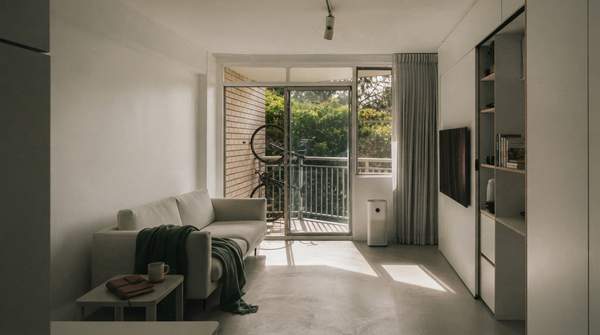
Key Multi-Functional Furniture Pieces for Every Need
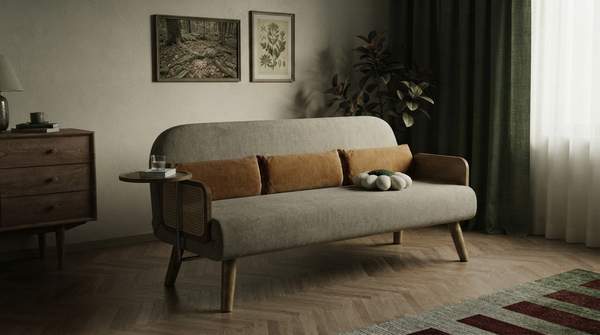
Sofa beds and futons. The classic answer to "no guest room." These pieces transform from seating to sleeping arrangements, and IKEA's small-space guide highlights bed systems that go further still—one can be rearranged as a single bed, a double bed, or a modern sofa, which the company recommends for living rooms and bedrooms with low ceilings where you want to create a sense of space. Some multifunctional beds also come with integrated desks or shelving.
Storage ottomans and benches. The hardest-working piece in a small living room. OJCommerce's guide lists storage ottomans and benches among its core examples of multifunctional furniture, and notes that ottomans with a removable tray can serve drinks, act as a coffee table, or provide an extra seat. Choose pieces with matching finishes to keep the room cohesive.
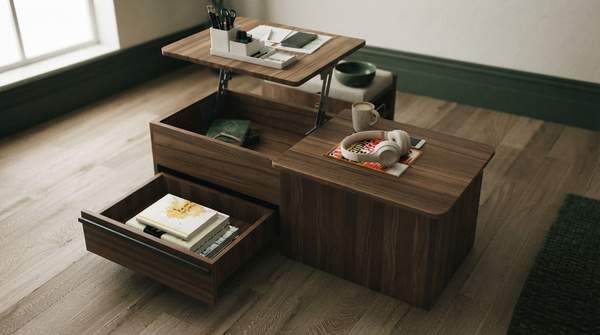
Lift-top coffee tables. If your living room has to double as a home office, this is your centerpiece. The surface rises to working or dining height and tucks away again, so the transition between activities takes seconds rather than a furniture shuffle.
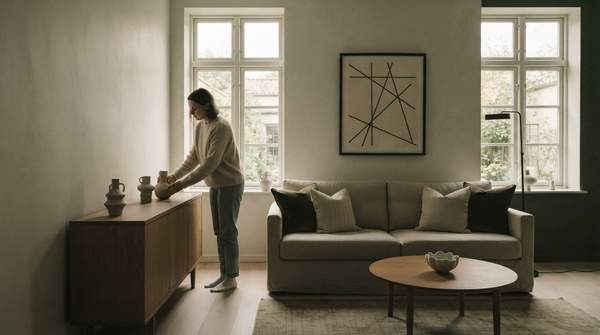
Modular sofas. Living Spaces describes a modular sofa as one that can be pulled apart into smaller individual seats and rearranged—separated into different parts of a room or kept together as a sectional. That flexibility means you get all the seating you need while keeping a spacious feel, because the pieces go exactly where they fit.
Nesting tables and extendable dining tables. Nested tables offer multiple surfaces that stack together when not in use, while extendable dining tables expand only when you have people to seat. Both follow the same principle: full capacity on demand, small footprint the rest of the time.
Two Layout Strategies That Make It All Work
Choosing the right piece is half the job; placement is the other half. Two strategies from small-space furnishing guides help multi-functional furniture feel intentional rather than cramped.
Zoning. Divide the room into distinct activity areas—sleeping, working, relaxing—rather than letting functions blur together. A modular sofa is a natural zoning tool: angle one section to face the TV and another toward a window, and you've defined a lounge zone and a reading corner with a single purchase. A lift-top coffee table anchors a work zone that disappears at the end of the day.
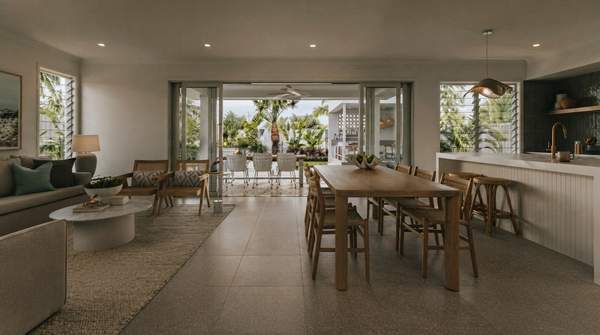
Floating. Instead of pushing every piece against the walls, pull furniture toward the center of the room. Floating a console table or sofa away from the wall creates walkways and depth, which makes the room read as larger. Nesting tables work beautifully here—they can float beside a sofa as end tables, then scatter wherever guests need a surface.