Many homeowners discover their 'inexpensive' prefab vanity reveals its true cost through rapid wear and tear within months of installation. These units feature inferior materials and construction, leading to peeling finishes, loose drawers, and damaged surfaces long before expected. The initial savings quickly evaporate when early replacement becomes necessary.
Homeowners often believe they save money and modernize their homes with popular design features. However, these choices frequently lead to increased costs and a dated look over time. Prioritizing immediate aesthetic appeal and low upfront cost in home design compromises long-term value and timelessness, creating future renovation burdens.
The Hidden Costs and Short Lifespans of Popular Design Trends
Companies marketing 'inexpensive prefab vanities' sell a false economy. House Beautiful observes these products fail quickly, forcing premature replacement. Similarly, the 'farmhouse chic' allure of shiplap is a trap. House Beautiful reveals its installation complexity and cost far exceed its perceived simplicity, undermining its 'easy charm' with unexpected labor and material demands. Homeowners overpay for a trend with a short shelf life.
Chasing design fads, like trendy arches, sets a ticking clock on your home's aesthetic. House Beautiful's analysis suggests these 'visual highlights' become glaring anachronisms, demanding costly updates sooner than timeless choices. What seems like a modern update or cost-saving measure quickly becomes a source of regret and expense, accelerating your home's obsolescence.
1. Modern Style Plans with Flexibility
Best for: Homeowners seeking adaptable living spaces
Modern style plans offer flexibility to tailor to specific needs, according to thehousedesigners. This core design principle ensures customization, extending a home's functional lifespan.
Strengths: Highly customizable | Limitations: Requires thoughtful initial planning | Price: Moderate to high, depending on customization
2. Energy-Efficient Modern Design
Best for: Environmentally conscious and budget-minded homeowners
Modern-style homes prioritize energy efficiency. Energy-efficient appliances and windows save money long-term through lower operating costs, according to both thehousedesigners and monsterhouseplans. This integrates a core architectural principle with significant financial and environmental advantages.
Strengths: Lower utility bills, reduced environmental impact | Limitations: Higher upfront investment for premium components | Price: Mid to high
3. Strategic Bathroom Placement
Best for: Cost-conscious new builds or major renovations
Placing bathrooms back-to-back saves money by sharing plumbing, according to monsterhouseplans. This practical design optimizes space and resources, significantly reducing construction costs.
Strengths: Reduces plumbing costs and complexity | Limitations: Limits layout flexibility for individual bathrooms | Price: Low (cost-saving measure)
4. Earthy Colors and Natural Materials
Best for: Creating personalized, warm interiors
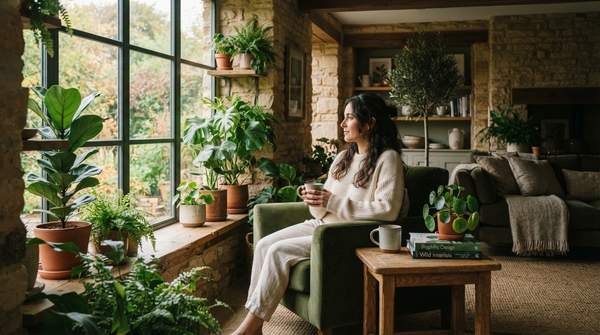
Earthy colors and natural materials, like wood, stone, and linen, are favored over cooler, minimal palettes for a more personalized interior, according to Good Housekeeping. This shift moves away from past minimalist aesthetics, promising a more inviting and authentic feel that resists rapid dating.
Strengths: Creates inviting, authentic spaces; enduring appeal | Limitations: Can require careful material selection | Price: Varies by material quality
5. Warm Woods with Patina
Best for: Adding character and depth to a modern space
Aged oak, walnut, and teak with slight imperfections are replacing overly perfect finishes, according to Good Housekeeping. This trend offers a natural aesthetic with character, suggesting a move towards more lived-in, authentic spaces that feel less sterile and more enduring.
Strengths: Adds warmth and unique texture; durable | Limitations: May not suit ultra-sleek modern styles | Price: Mid to high, depending on wood type
6. Display Pedestals and Columns
Best for: Showcasing art and decorative items
Display pedestals and columns are making a comeback to fill empty spaces and showcase decorative items, according to Good Housekeeping. Their return suggests a desire for more curated, gallery-like interiors, allowing homeowners to elevate personal collections and add architectural interest without permanent structural changes.
Strengths: Versatile for styling; adds architectural interest | Limitations: Requires careful placement to avoid clutter | Price: Low to moderate
Investing in Longevity: Trends vs. Timelessness
| Feature | Trendy Design Choices | Timeless Design Elements |
|---|---|---|
| Initial Cost | Often lower, appealing for quick updates | Potentially higher, reflecting material quality |
| Long-Term Value | Diminishes rapidly, requiring frequent updates | Maintains or appreciates, reducing future renovation needs |
| Aesthetic Lifespan | Short, quickly appearing dated or outmoded | Enduring, blending seamlessly across decades |
| Maintenance/Replacement | Frequent due to inferior materials, higher hidden costs | Minimal, durable materials withstand daily use |
Classic designs and quality materials, though a higher upfront investment, yield greater satisfaction and value over time. Trendy designs offer immediate visual impact, but their rapid obsolescence creates a cycle of replacement and expense. Invest in enduring design elements for fewer renovations and a home that retains appeal and functionality for years.
How Identified Design Pitfalls
The methodology analyzes expert insights from sources like House Beautiful, focusing on durability, installation complexity, and aesthetic longevity. We move beyond initial visual appeal to assess the true long-term costs and benefits of design choices. By prioritizing seasoned designers' perspectives on trends that lead to homeowner regret, we guide you toward smarter decisions, emphasizing practical considerations over fleeting fads.
Homeowners who prioritize thoughtful design and quality materials will likely see their investments yield lasting value, avoiding the costly cycle of fleeting trends and premature renovations.
Common Questions About Smart Home Design
What are the latest trends in modern home design for 2026?
Broader trends for 2026 emphasize biophilic design, integrating natural elements like indoor plants and ample natural light. There's also a growing focus on multi-functional spaces, with adaptable furniture and layouts maximizing utility in smaller footprints.
What are essential items for a modern living space?
Essential items include versatile, high-quality furniture with clean lines, like reconfigurable modular sofas. Smart lighting systems, well-chosen art, and integrated, discreet storage solutions are also paramount.
How to update a living space with modern design features?
Start by decluttering and simplifying to create a clean canvas. Incorporate natural materials like wood and stone, update to modern, energy-efficient lighting, and add subtle tech integrations like smart thermostats. Prioritize functionality and comfort, ensuring each new feature serves a purpose beyond mere aesthetics, aiming for a cohesive look by Q4 2026.