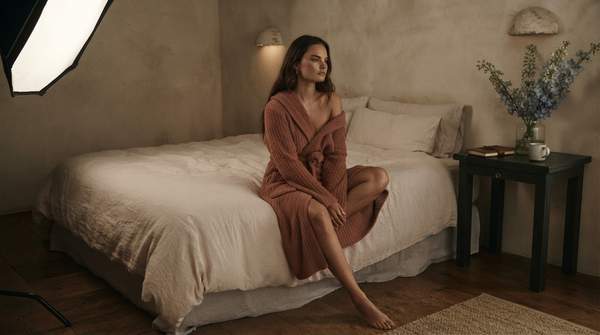
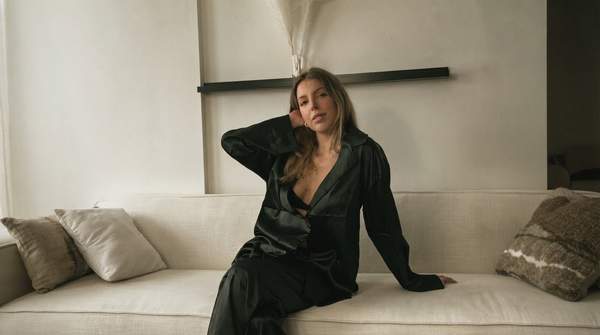
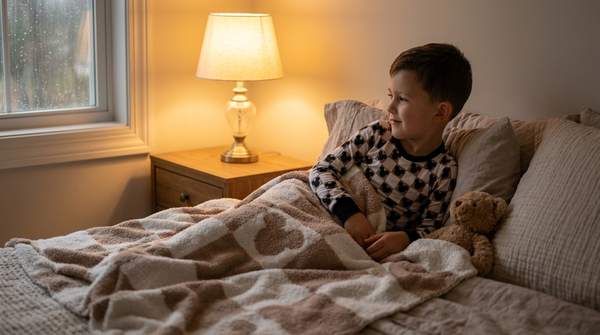
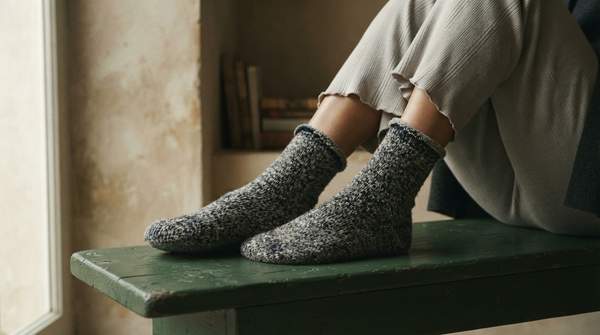
Layering textiles is the design principle that transforms a house from simply furnished into a thoughtfully styled home. By intentionally combining textures, patterns, and materials in elements like rugs, throws, and pillows, you can add physical warmth, visual depth, and a sense of personality. A well-layered room feels rich and complete, avoiding the flat, sparse feeling that can occur even with beautiful furniture. This approach moves beyond basic decorating to create a space that is not only stylish but also genuinely comfortable and inviting.
The Foundation of Coziness: Why Layer Textiles?
A room dominated by hard surfaces such as wood, metal, or glass can often feel cold and unfinished. Textiles soften these hard edges, adding a crucial element of balance. According to design experts, a successful space features a mix of smooth, rough, soft, and structured surfaces that, when combined, make a room feel complete. This interplay of textures is what adds dimension and interest, catching both the eye and the hand.
The goal of layering is not to create clutter but to build a look that feels collected over time. Each textile plays a role, from a large foundational rug to a small accent pillow. This intentional combination of color, pattern, and texture is what creates a cohesive personal style, turning a flat room into a dynamic and welcoming environment. The result is a space that feels both designed and relaxed enough for everyday life.
Textile Layering Decision Framework
To layer textiles effectively, follow a structured process that builds from the ground up. This framework helps ensure a balanced and intentional result, preventing the space from feeling either too busy or too plain.
Step 1: Establish the Foundation
Begin with an anchor piece that grounds the room. In most living rooms and bedrooms, this is the area rug. A large rug establishes the room's color palette and textural base. Natural fibers like jute, sisal, or wool are excellent choices for adding instant warmth and structure. This foundational layer is the first step in softening the room's hard surfaces.
Step 2: Add Functional Layers
Next, consider the larger functional textiles that contribute to the room's overall comfort and style. This includes upholstery on sofas and chairs, as well as window treatments like curtains. These elements add significant visual weight and texture. Ensure they coordinate with your foundational rug in terms of color and feel, even if they don't match perfectly. This is an opportunity to introduce a new material, such as a smooth linen curtain or a tactile bouclé armchair.
Step 3: Introduce Accent Layers
The final layers are the accents that infuse personality and offer flexibility. These are the easiest elements to change and include decorative pillows and cozy throws. Use these pieces to introduce bolder patterns, more vibrant colors, or highly tactile textures like a chunky knit or a soft velvet. These smaller items complete the look and are key to making a space feel lived-in and styled.
Step 4: The Texture and Pattern Check
With all layers in place, step back and assess the balance. A room where every textile is high-texture can feel overwhelming, while a room with none feels flat. The goal is a thoughtful mix. If the combination of patterns feels too busy, a simple rule is to subtract one pattern and replace it with a solid texture. According to Kevin Francis Design, the room will immediately tell you if you've gone too far. This check ensures the final composition is harmonious and visually interesting without being chaotic.