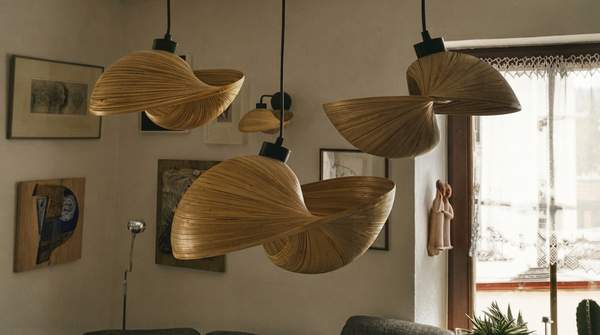
Looking to make your home feel more grounded without buying new? Three DIY project categories fit the bill: upcycling furniture with natural elements, crafting with foraged materials, and curating natural displays. Each demands a different mix of tools, skill, and sourcing, and each lands differently on your decor. This guide compares them side by side so you can pick the one that matches what you already have — and the look you want.
Sustainable Style for Your Home
The core appeal of these projects is the same: less waste, more character. Blogger Cindy Rust, who documents repurposed furniture projects at Reinvented Delaware, argues that almost any DIY becomes approachable when you break it into steps. Her favorite example is elegant in its simplicity: a client inherited an old dining table she wanted to keep but didn't need, so one cut turned it into a coffee table that became a statement piece. That's the spirit of this guide — transformations that start with materials you already own or can gather, not a shopping list.
Upcycling Furniture with Natural Elements
This is the most involved of the three categories, and the most dramatic. It covers projects like adding cane panels to a vintage cabinet or replacing the seat of an old chair with fresh rattan cane webbing — an update the natural decor writer Luke R describes as an affordable way to give worn pieces a modern, natural look while reducing waste.
Be realistic about the tools. Cane webbing is machine-woven sheet material that sits in a groove around a seat's perimeter and is held in place by glue and a rattan spline, according to Cathryn Peters, whose caning guide at The Wicker Woman covers the installation process. A recaning job like this is a moderate-difficulty project rather than a weekend whim — but it's well within reach of a patient DIYer.
Crafts from Foraged Materials
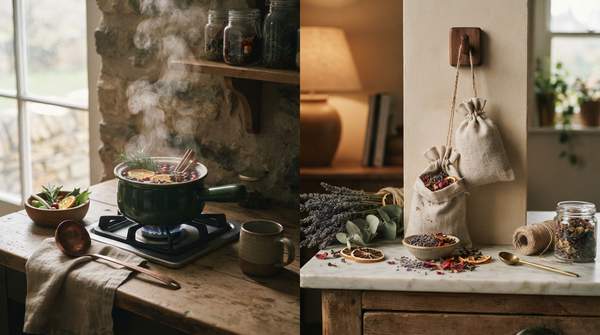
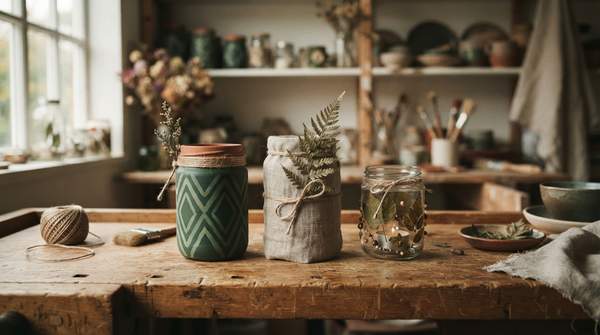
The second category swaps the workshop for the outdoors. Instead of updating furniture, you gather natural materials and turn them into small decor accents — the kind of project that lets you bring nature indoors without spending anything. Gather what your environment offers, whether that's branches, stones, or other finds, and let the material dictate the project.
Two honest caveats from the evidence base: this guide covers project types rather than step-by-step instructions, and the sourcing is deliberately limited to accessible materials — foraged items and thrift store finds, not specialty supplies. Foraged crafts sit at the easy end of the skill spectrum precisely because the materials arrive free and the projects are usually small.
Curated Natural Displays
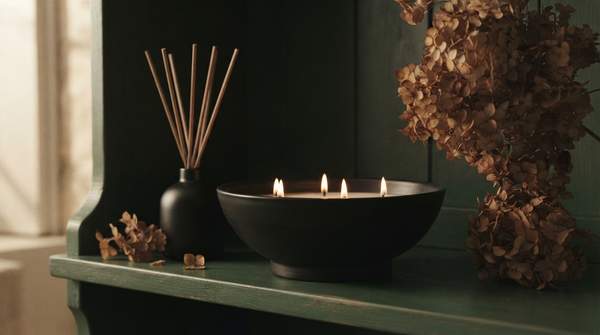
The third category barely involves "making" anything at all, which is exactly why it's worth naming separately. Curated displays mean arranging natural elements and handmade vessels — think stoneware bowls, clay vases, and other pottery — as decor in their own right. Group them on open shelves or a dining table for understated, nature-inspired arrangements that showcase their textures.
When choosing pottery and clay vessels, Luke R suggests looking for pieces that maximize character and emotional warmth — items made by an artist or workshop you genuinely like. The skill requirement here is essentially an eye for arrangement, and the cost can stay low if you hunt secondhand.
Sustainable DIY Project Selector
Use this table to match the three categories against your materials, patience, and desired look. Each row reflects what the underlying sources support about that category; where the evidence is thinner, the table stays general rather than inventing specifics.
| Project Category | Primary Materials | Typical Skill Level | Aesthetic Fit |
|---|---|---|---|
| Furniture upcycling | Old furniture plus natural updates like rattan cane webbing; webbing is glued into a groove and secured with a rattan spline | Moderate — feasible for DIYers but requires specific tools and patience | Modern, natural refresh of worn pieces; one-cut transformations can become statement pieces |
| Foraged material crafts | Free, gathered natural items such as branches and stones | Low — small projects, minimal equipment (general category guidance) | Brings nature indoors; casual, organic accents |
| Curated natural displays | Handmade stoneware, clay vases, and pottery | Minimal — arranging rather than building | Understated, nature-inspired texture on shelves and tables |
The comparison points to a simple logic: choose upcycling when you have a piece worth saving and an afternoon to invest, foraged crafts when you want a low-stakes project from free materials, and curated displays when you want the look of handmade natural texture with almost no building involved.
Integrating Natural Elements into Modern Decor
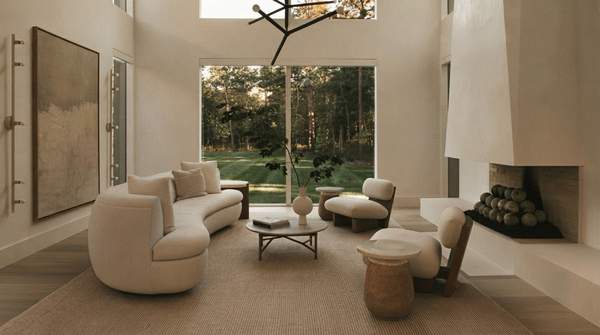
Whichever project you choose, the trick is avoiding the log-cabin effect. The recommendation from Luke R's natural decor guide is to pair, not to theme: sleek kitchen cabinets beside a reclaimed wood dining table, or a modern sofa accented by linen pillows and a woven throw. The modern pieces provide the clean lines; the natural pieces provide the warmth.
Color plays the same supporting role. Build your palette around earthy tones — soft whites, warm browns, muted greens, and gentle grays — so the richness of wood grain, woven fibers, and stone surfaces does the talking. The payoff, per the same guidance, is a home that feels cohesive and calming, and a neutral palette that reads relaxed and clean rather than rustic. This advice leans toward minimalist, Scandinavian, and modern-rustic sensibilities, so adjust expectations if your style runs maximalist.
Start Your Sustainable Decor Journey
Here is the decision: choose a project type — furniture upcycling, foraged crafts, or curated displays — that aligns with your skill level, material access, and aesthetic preference. If you own a worn chair and own a hammer and chisel, the cane-webbing route rewards you with a modern, natural centerpiece. If your materials are a walk in the woods or a thrifted clay vase, the lighter categories deliver the same grounded feel with a fraction of the effort.
The measurable indicator of success is straightforward: successful completion of a chosen DIY project and its integration into your home decor. Pick one project, finish it, and place it where you'll see it daily — then decide whether the next one should stretch your skills further. Given Rust's observation that even a single cut can turn an unneeded dining table into a statement piece, the barrier to starting is lower than it looks.
Sources
- My Best Repurposed and Upcycled Home Decor Ideas — Reinvented Delaware
- 15 Natural Decor Ideas to Refresh Your Home — Naturalartisanhome
- How-to Install Cane Webbing | Sheet Cane — The Wicker Woman