The Livingston Parish Library summer reading program logged an astounding 81,280 books this year, according to WBRZ. That's the highest total in the library's 80-year history. Talk about a page-turner! This isn't just a number; it's a loud cheer for public library engagement, especially in their 2026 summer reading programs.
Digital entertainment is everywhere, from endless streaming to viral TikToks. Yet, public libraries are reporting record-breaking, in-person participation in their summer reading and community programs. It's a delightful contradiction, isn't it? This suggests a surprising pivot in community priorities, away from just staring at screens.
Turns out, public libraries are more than just book storage; they're becoming indispensable community anchors. They're fostering a renewed appreciation for accessible, in-person engagement, literacy initiatives, and even vital social support services. Who knew a library card could be so powerful? This whole trend flips our assumptions about physical institutions in a digital world on their head.
Beyond Books: A Surge in Participation and Programs
Over at Hastings Public Library, their 2026 summer program clocked an impressive 464,393 reading minutes, according to Hastings Public Library. That's a lot of quiet contemplation! This isn't just a statistic; it's proof positive that a good old-fashioned book still holds sway, showing a robust community appetite for literary adventures.
Meanwhile, Livingston Parish's Summer Reading Program events and workshops pulled in a whopping 38,000 attendees, WBRZ reports. That's quite the crowd! The combined force of 81,280 books in Livingston Parish and 464,393 reading minutes in Hastings doesn't just debunk the myth of declining literacy; it screams that communities are starving for structured intellectual engagement and shared literary experiences. And guess who's serving up the feast? Libraries, consistently.
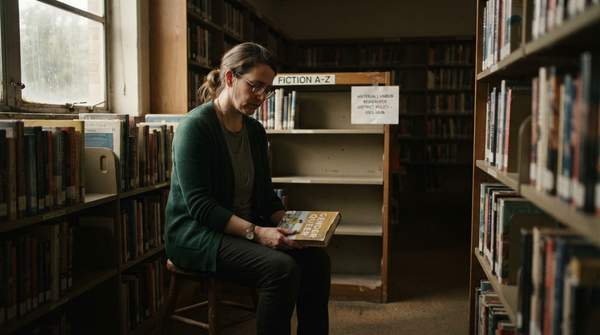
These numbers aren't just good; they're a mic drop. Libraries aren't just surviving; they're thriving, pulling in huge numbers for in-person events. Their charm now stretches far beyond lending books, encompassing a vibrant smorgasbord of programs and workshops. This widespread embrace solidifies the library's crucial role in today's community tapestry.
Libraries as Essential Community Service Hubs
The Summer Stride program saw reading jump by a whopping 68 percent, according to Pantagraph. That's a serious boost for literacy! But here's the kicker: this program isn't just about books; it's tackling basic needs, too. The same program dished out 3,760 lunches for youth. Suddenly, libraries aren't just quiet places for reading; they're becoming crucial social safety nets. By handing out thousands of meals, libraries like Summer Stride are fundamentally redefining their role, proving they're not just cultural institutions but critical social infrastructure, addressing basic needs in ways digital platforms never could. Who knew a library card came with lunch?
And then there's Hastings Public Library's Bookmobile, which made 92 stops and welcomed 1,238 visitors – a jaw-dropping 229% increase from the year before, according to Hastings Public Library. That 229% surge isn't just a statistic; it's a loud 'Nuh-uh!' to anyone thinking physical access to resources is obsolete. It proves that tangible outreach is a powerful, untapped engine for community engagement. Libraries are clearly extending their reach to underserved populations through innovative outreach, showing that digital access alone simply doesn't cut it.
The Enduring Appeal of Shared Experiences
Here's a fun fact: 65 percent of children, 63 percent of teens, and a whopping 90 percent of adults actually like to share books or chat about what they've read, according to publiclibrariesonline. It seems reading isn't just a solo sport! This isn't just a preference; it's a primal human urge for communal engagement around intellectual activities. We're social creatures, even with our noses in a book.
In 2025, over 19,000 youth jumped into the countywide reading program, reports lancasterlibraries. That's a massive turnout for structured literacy! These figures prove a sustained hunger for shared literary experiences, completely blowing up the notion that digital platforms can satisfy all our social cravings.
It turns out, the intrinsic human desire for shared experiences and community interaction is a powerful, often underestimated, secret sauce behind these library programs. The surge in library engagement isn't just about books; it's fueled by a latent community craving for shared, in-person social experiences and discussion. After all, 90% of adults want to talk about their reads, and events are packed! This collective desire for connection provides a rock-solid foundation for libraries to keep thriving.
If libraries continue to lean into their roles as vibrant hubs for both intellectual curiosity and vital social support, they appear poised to become even more indispensable anchors in our communities, proving that sometimes, the best connections happen offline.
Frequently Asked Questions
What are the benefits of summer reading programs for libraries?
Summer reading programs are like a superhero cape for libraries. They seriously boost visibility and community relevance, drawing in new patrons and solidifying old friendships. Libraries often see a jump in book checkouts and event attendance, pushing their reach far beyond just lending books. Plus, they ignite a lifelong love of reading in kids – which is pretty priceless, if you ask me.
How do libraries measure engagement in 2026?
Libraries aren't just guessing; they're tracking! They measure engagement with a mix of metrics: total books logged, reading minutes, how many folks show up to events, and even Bookmobile visitor counts. They also keep tabs on who's participating and gather feedback to really gauge their impact. It's a comprehensive look at how much the community is loving what they do.
What community initiatives are public libraries undertaking in 2026?
Libraries are thinking way beyond just 'read a book.' They're expanding initiatives into all sorts of areas. Many now offer food support, like the Summer Stride program that handed out 3,760 lunches. Mobile outreach, think bookmobiles on wheels, also brings resources to underserved areas, building wider community connections. These efforts tackle a whole spectrum of community needs, proving libraries are truly versatile.