Here's the short answer: there's no single "best" sleep gadget. The right choice depends on one question above all—do you want to wear something to bed? A scientific review of home sleep monitoring technologies concluded that wearables offer the best overall balance of cost, accuracy, and health benefits, while smartphone apps suit budget-conscious users and hands-free options prioritize comfort. I'll walk you through the three main categories, the privacy and accuracy fine print, and a decision framework to match you with your category.
Understanding Smart Sleep Technology Categories
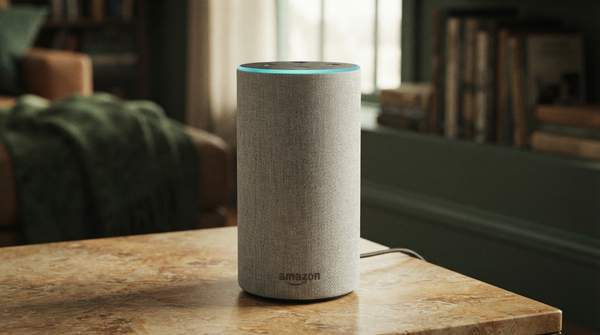
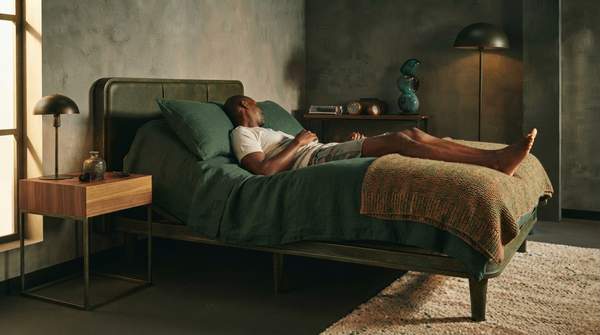
Smart sleep tech comes in three flavors, and they collect genuinely different data. Wearables—rings and watches—sit on your body and read personal biometrics like heart rate. Non-wearable bedside devices, like the second-generation Google Nest Hub, use radar and sound sensors to track what's happening around you: respiration, coughing, snoring, even light and temperature changes in the room. Smartphone apps lean on the hardware you already own, mainly motion sensors and the microphone.
That distinction matters more than any brand name. A review published in the PMC library notes that sleep-tracking technologies vary widely in their ability to capture four kinds of data: sleep metrics, physiological data, movement data, and environmental data. No category covers all four equally well. Your job as a shopper is figuring out which data you actually want—and which trade-offs you can live with.
Wearable Sleep Trackers: Biometrics on the Go
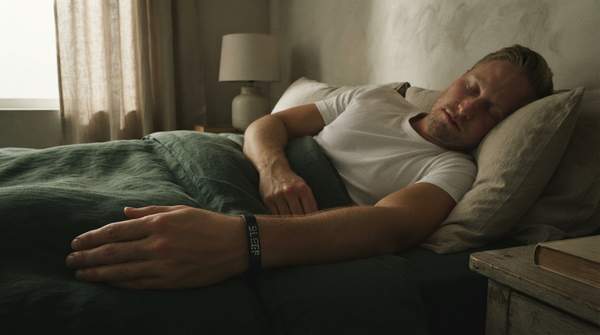
Wearables are the biometrics play. Wirecutter's top pick, the Oura Ring 4, delivers "consistently accurate heart-rate data and easy-to-follow guidance"—though the reviewers note it's expensive and "sometimes mistakes downtime as sleep." Wareable's long-term testing reached a similar verdict, calling the Oura Ring 4 its top-recommended tracker, with the fewest inaccuracies in its sleep data and a design more comfortable at night than any other wearable.
Comfort is subjective, but wearing a device is a prerequisite here. Wirecutter specifically favored trackers that were lightweight and discreet enough to forget you were wearing them while sleeping. The upside is depth: The Cut's testing found the Oura Ring lets you tag habits like alcohol, coffee, and jet lag to "discover connections between health and habits over time," plus cycle tracking for women's health.
Wearables also double as lifestyle devices. The PMC review points to smartwatches like the Apple Watch and Garmin Venu that combine sleep tracking with fitness and overall health monitoring. One caution from The Cut's testing of the Google Pixel Watch: it "really doesn't even work unless you already have a Google Pixel phone," and setup involved multiple apps and a separate Fitbit account. Ecosystem lock-in is real.